CANCER INSTITUTE

CANCER INSTITUTE
ADVOCATE. COLLABORATE. EDUCATE. INNOVATE
The Comprehensive Breast Cancer Institute facilitates best practice breast care for patients through innovation, education, and research.
The Comprehensive Breast Cancer Institute facilitates:
- clinical, basic and translational research
- education for treatment providers, patients and the community.
The service model aims to support the coordination and accessibility of high-quality, comprehensive services for breast cancer patients and other breast diseases across the Metro North catchment.
Comprehensive Breast Cancer Institute Upcoming Events
2026 CBCI Community Forum – Friday 2 October, 2026.
2026 CBCI GP Education Event – Saturday 23 May, 2026
2026 CBCI Breast Care Nurse Education Event – Date to be announced.
Comprehensive Breast Cancer Institute (CBCI)
Metro North Health
Level 7, Block 7
Royal Brisbane and Women’s Hospital campus
HERSTON QLD 4029
Email: cbci@health.qld.gov.au



Setting the scene
Metro North Health is the largest public provider of health services in Australia. Metro North operates acute facilities at the Royal Brisbane and Women’s Hospital (RBWH), The Prince Charles Hospital, Caboolture Hospital, Redcliffe Hospital, Kilcoy Hospital and the Surgical, Treatment and Rehabilitation Service (STARS).
Breast cancer services are provided at many facilities across Metro North, with the overwhelming proportion of care undertaken at RBWH. Services provided across Metro North include:
- screening, imaging and diagnostics
- oncoplastic breast surgery and reconstruction
- chemotherapy and radiotherapy
- palliative and supportive care.
Breast cancer management is a highly complex decision-making environment for patients. Patients depend on expert clinical and allied support teams for direction. It is therefore vitally important that health providers for these patients have a shared understanding of best practices to ensure the patient receives optimal care.
The Orchid Press
Our commitment to keeping you well informed is exemplified through our quarterly newsletter, The Orchid Press. The newsletter will feature patient stories, insightful breast care knowledge, the latest developments and innovations, and other helpful resources. Feel free to subscribe by emailing cbci@health.qld.gov.au. If you have anything you would like us to feature in our quarterly newsletter, please email: cbci@health.qld.gov.au
The Orchid Press | Edition 1 | January-March 2024
The Orchid Press | Edition 2 | April-June 2024
The Orchid Press | Edition 3 | July-September 2024
The Orchid Press | Edition 4 | October – December 2024
The Orchid Press | Edition 5 | January – March 2025
The Orchid Press | Edition 6 | April – June 2025
The Orchid Press | Edition 7 | July – September 2025
The Orchid Press | Edition 8 | October – December 2025
The Orchid Press | Edition 9 | January – March 2026
The Orchid Press | Edition 10 | April – June 2026 – COMING SOON!
CBCI’s Publications
CBCI’s Mentions

 We exist to connect those who wish to give with the most potent opportunities to make a difference, now and into the future and support CBCI’s vision to enhance seamless clinical care, health innovation, community education and world-first medical research.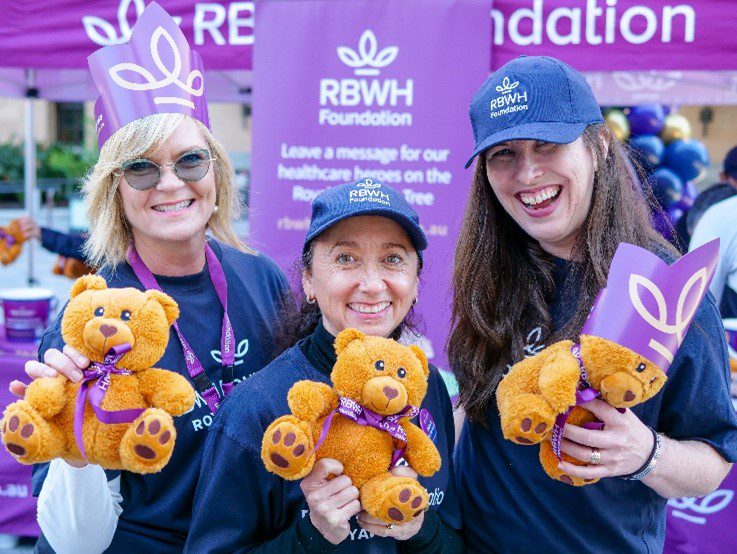
Proudly supported by



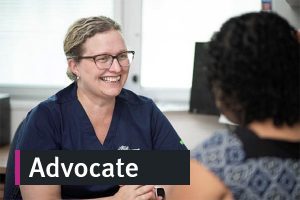
 The Comprehensive Breast Cancer Institute is committed to advocating for patients by fostering a patient-centred approach, ensuring their voices are heard during the decision-making process of their care. By advocating for patients’ rights and preferences the institute aims to empower individuals on their breast cancer journey.
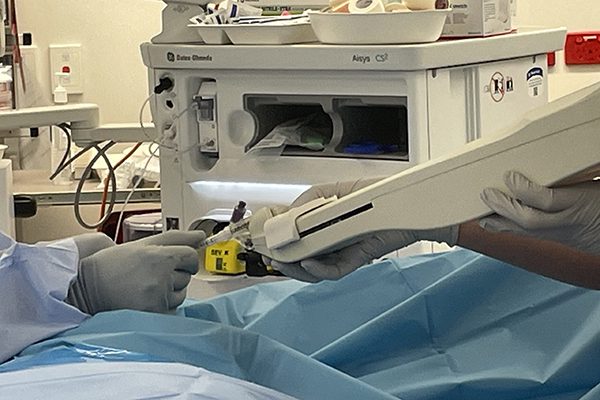
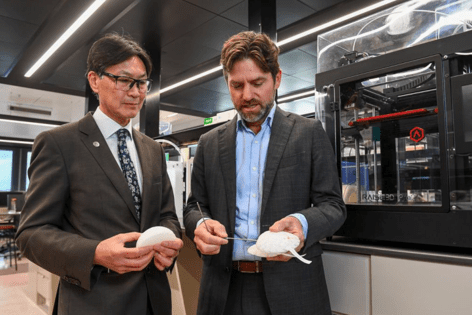
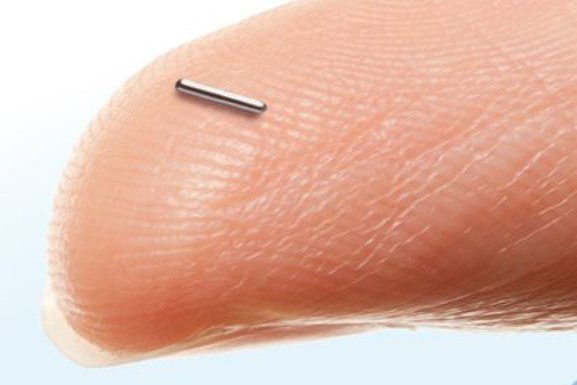
 Through interdisciplinary breast cancer care, clinicians, researchers, and primary care providers join forces to create a seamless continuum of care. This collaborative effort enhances the collective expertise, leading to innovative and effective strategies for breast cancer diagnosis, treatment, and research.
 By disseminating knowledge on breast cancer care and prevention, the Institute seeks to empower healthcare professionals, equip patients with informed choices and raise awareness within the community, with the goal to contribute to early detection and improved outcomes.