

JTI Newsletter – November 2026
Contents
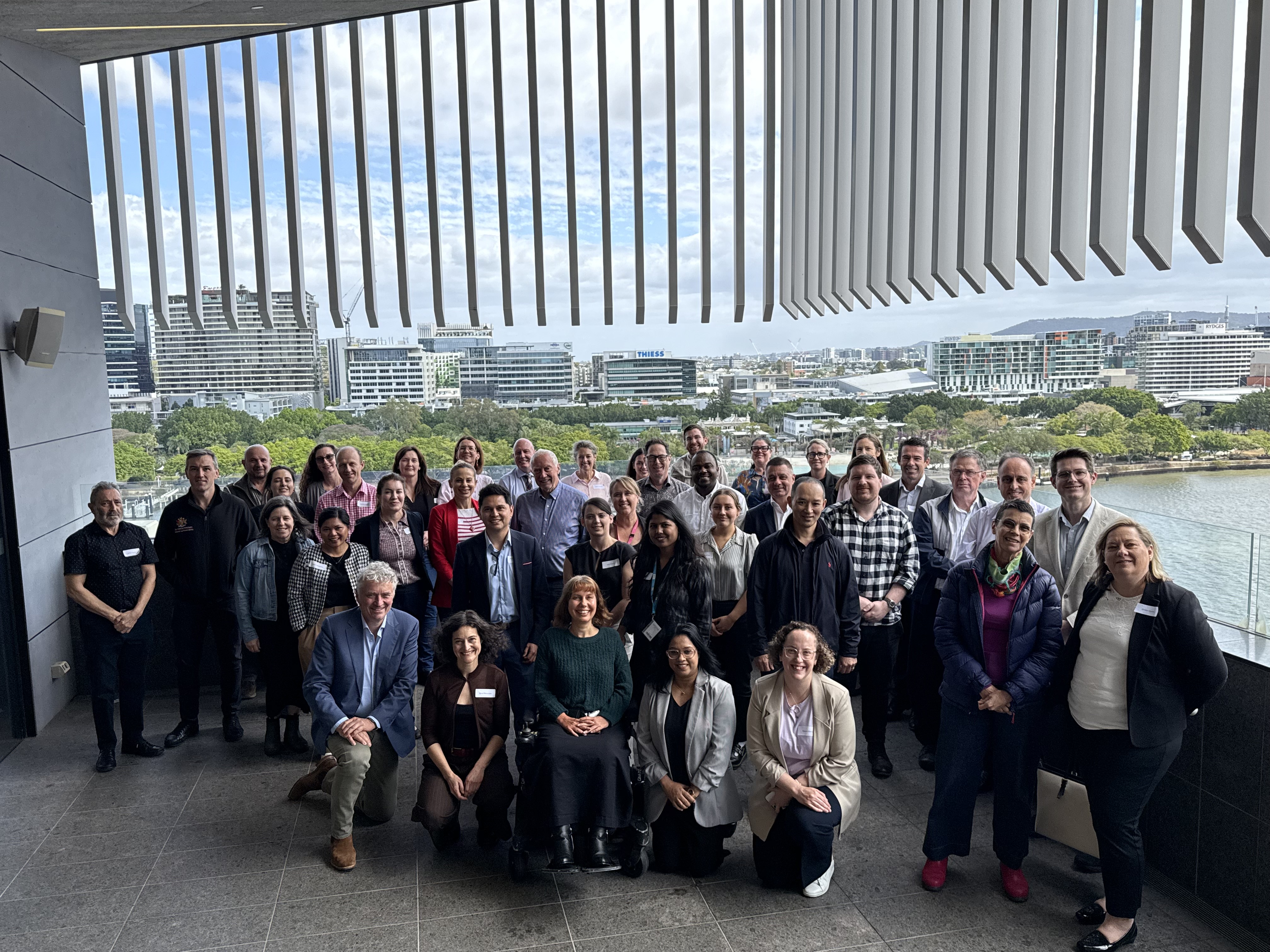 Welcome to the latest edition of the JTI Newsletter. Over the past few months, JTI has been proud to support and participate in a range of events that have brought together clinicians, researchers, consumers and community partners to advance trauma care, injury prevention and recovery. In this edition, we share highlights from major symposiums, lectures and conferences, and celebrate the achievements of our staff, collaborators and trauma community.
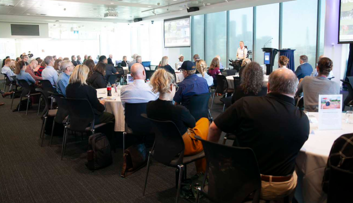
Queensland Trauma Symposium: bringing together trauma leaders from across Queensland
The Queensland Trauma Symposium brought together more than 200 clinicians, health professionals, and stakeholders for a comprehensive program focused on advancing trauma care, preparedness, and system improvement across Queensland. Through presentations and discussions led by experts, attendees explored contemporary approaches to trauma management, innovation, and collaboration in trauma healthcare.
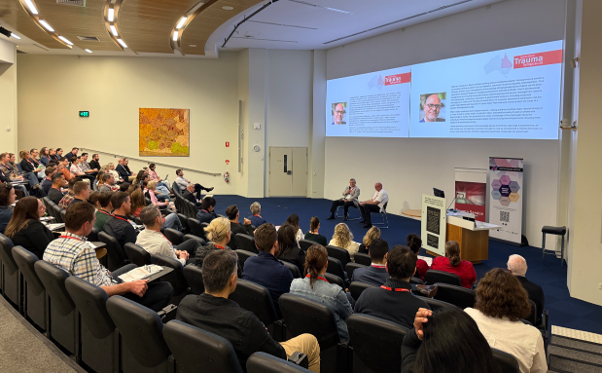
The event was complemented by two pre-symposium workshops attended by more than 65 participants, providing practical learning opportunities, skill development, and valuable networking.
Strong attendance, high-quality presentations, and enthusiastic participant engagement reinforced the symposium’s importance as a forum for collaboration, knowledge sharing, and ongoing improvement in trauma care across Queensland.
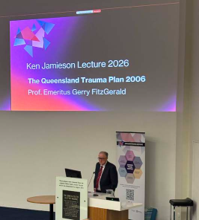
Professor Gerry FitzGerald delivered the Kenneth Jamieson Lecture 2026
Professor Gerry FitzGerald reflected on the 20-year development of Queensland’s trauma system.
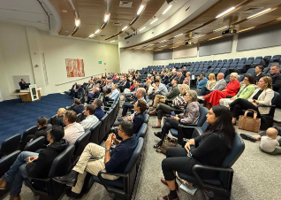
Speaking to more than 120 attendees in person and online, Prof FitzGerald reviewed the impact of the Queensland Trauma Plan, highlighting major achievements in trauma service development, including strengthened major trauma centres, retrieval networks, clinical coordination, and trauma research. He emphasised that collaboration, research, and a system-wide approach have been critical to these advances.
The lecture also looked ahead, discussing how emerging technologies, greater use of healthcare data, innovation, and evolving community needs are likely to shape trauma care in the coming decades.
Overall, the presentation celebrated the significant progress made in trauma care across Queensland while reinforcing the importance of ongoing partnerships, evidence-based practice, coordinated trauma systems, and injury prevention efforts.
The event additionally recognised Neil Singleton, former Insurance Commissioner at MAIC, for his longstanding support of trauma research and trauma system development in Queensland.

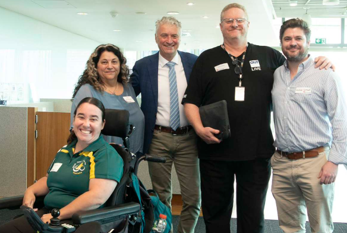
JTI and Queenslanders with Disability Network hosted the EMPOWER Symposium
The EMPOWER Symposium, held at Queensland University of Technology (QUT), brought together people with lived experience of disability, researchers, government representatives, sporting organisations, and community partners to explore how Queensland can create a more inclusive and accessible sporting future.
A central focus of the symposium was the EMPOWER project’s commitment to co-design, with people with lived experience of disability playing a leading role in shaping the project’s research, priorities, and solutions. Discussions highlighted the importance of developing initiatives in partnership with the communities they aim to support.
The symposium showcased EMPOWER’s goal of creating a legacy from the Brisbane 2032 Olympic and Paralympic Games by identifying and addressing barriers to participation in sport and recreation for people with disability. Strong collaboration between researchers, community organisations, sporting bodies, and government agencies was recognised as essential for translating research and lived experience into practical policies and initiatives that improve accessibility and participation across Queensland.
Overall, the event reinforced the value of collaboration, community leadership, and inclusive design in driving meaningful and sustainable change, helping to build a more accessible sporting environment for all Queenslanders.
The Empower Count Me In Survey is a major part of this work, it is a publicly available, voluntary Statewide survey. It’s an opportunity to hear directly from people with disability and their allies about their experiences of sport and physical activity, with the findings helping to inform future planning, investment and action. The survey is based on gathering the following information.
- the sports, active recreation and physical activities they participate in or would like to try
- what helps them participate
- barriers that make participation difficult
- what could make sport, active recreation and physical activity more inclusive and accessible in Queensland.
The survey takes approximately 15 minutes to complete. People can skip questions they do not want to answer and can pause and resume or stop at any time.
Survey link: https://bit.ly/EmpowerSurvey2026
Survey closes: 4 December 2026
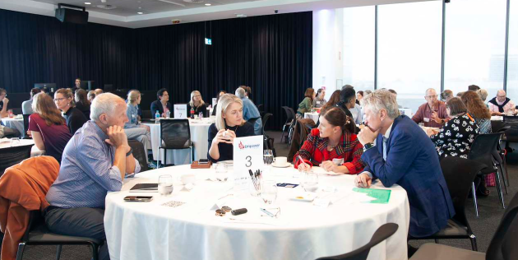
Trauma Research Symposium Strengthens Collaboration Across Queensland
The Emergency Medicine Foundation & JTI Rural and Remote Trauma Care Research Symposium brought together clinicians, researchers, health leaders and consumers to explore opportunities to strengthen trauma care across regional, rural and remote Queensland.
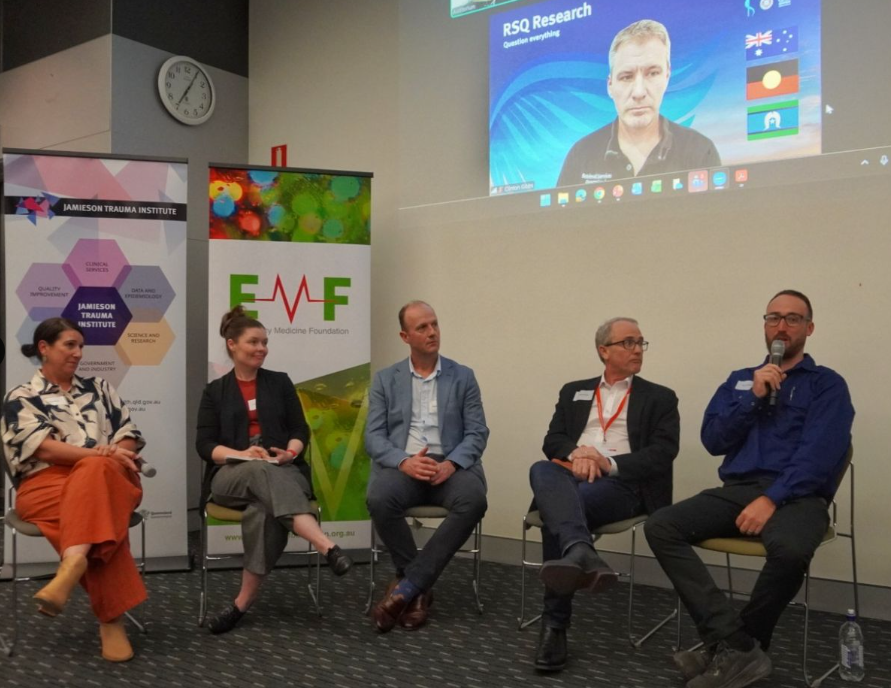
The event highlighted emerging research, advances in retrieval and pre-hospital care, the importance of building local research capability, and the value of incorporating lived experience into trauma research and service improvement. Participants also discussed priorities for future research and investment, reinforcing the importance of collaboration in improving outcomes for Queensland communities.
JTI thanks all presenters, panellists and attendees for contributing to a highly engaging event, and acknowledges the ongoing support of MAIC for the Trauma Care in Regional, Rural and Remote Queensland Program.
JTI Celebrates Research Success at ANZTS Trauma 2026 conference
What a joy it is to learn, share and connect with our Trauma colleagues across Australia and Aotearoa New Zealand! At the recent ANZTS Trauma 2026 conference in Sydney in October the JTI team gathered face-to-face with those we usually see online throughout the year to share wins and challenges, and plant the seeds of new and ongoing collaboration. With each year, we notice more inclusion within the conference program of long-term patient recovery outcomes, survivorship, and consumer representation, as our community increasingly sees trauma care and recovery through a holistic lens that doesn’t end when patients leave hospital. The role of data science and AI for enabling trauma data to also become more holistic is in close pursuit. One quote that resonates: “Ribs are for mending, silos are for breaking”.
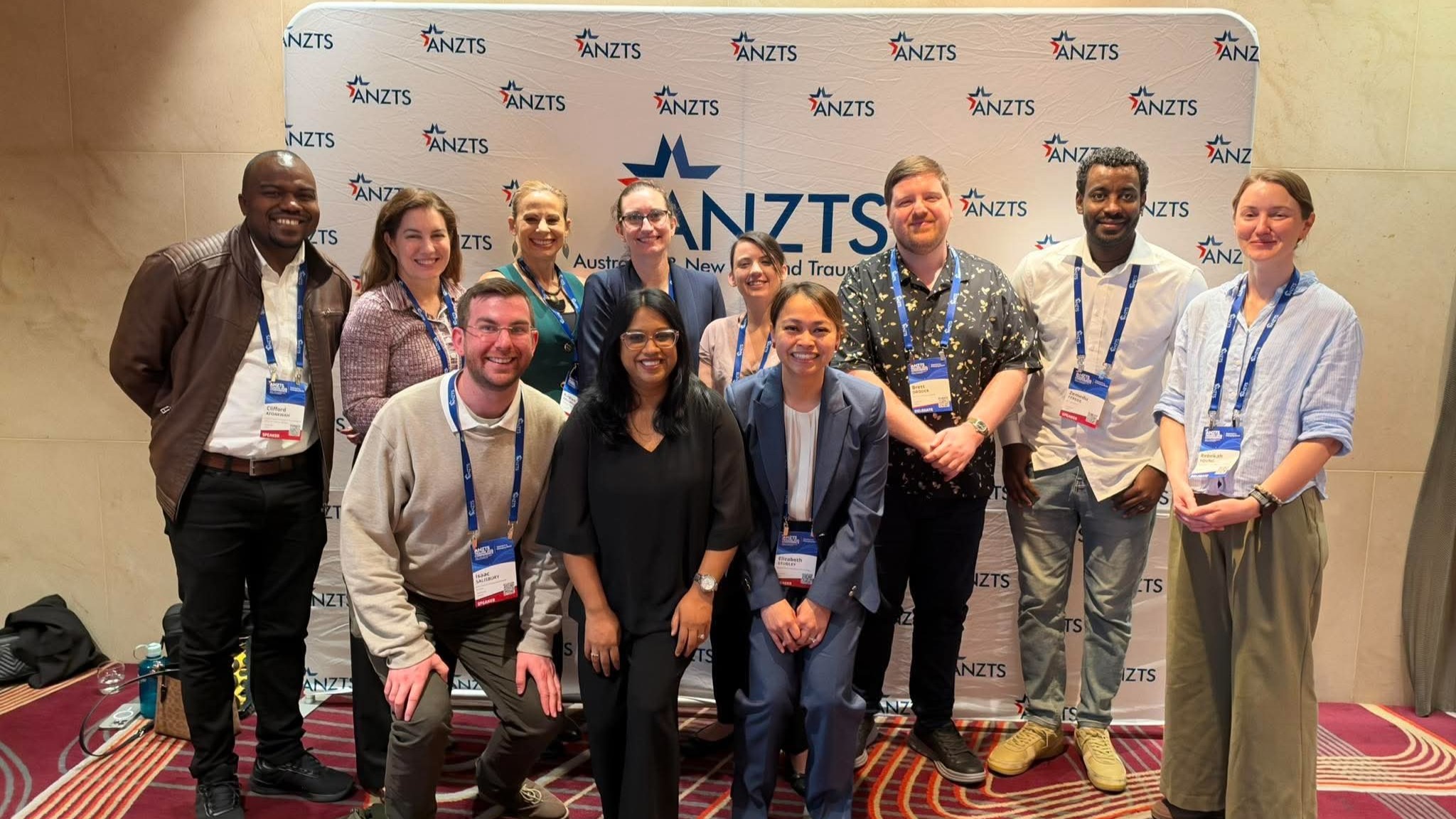
This year, the team had the privilege of sharing 10 oral and 2 poster presentations showcasing the breadth of work we are undertaking at JTI, from using digital training resources to teach bystanders how to Stop The Bleed®, to bringing together disparate data to understand complexities of trauma recovery, and, establishing a peer support network for survivors of major injury.
| Presenters | Project |
|---|---|
| Shahera Banu | InjurIQ & Surgical interventions in traumatic acute compartment syndrome |
| Jace Warren & Jade Fletcher | QT-Link Study |
| Cliff Afoakwah | Avoidable hospital readmissions among trauma patients |
| Beth Studley |
Comparison of the Queensland and Victorian trauma systems |
| Fran Williamson | Droperidol for the management of the undifferentiated and agitated trauma patient |
| Kirsten Vallmuur & Brett Droder | e-Scooter safety |
| Isaac Salisbury & Michael Muller | Stop The Bleed® |
| Zemedu Ferede |
Clinical prediction tool for predicting Health-Related Quality of Life and Disability |
| Tanya Smyth & Rebecca Young |
Major Injury Survivors & Support Community (MISC) |
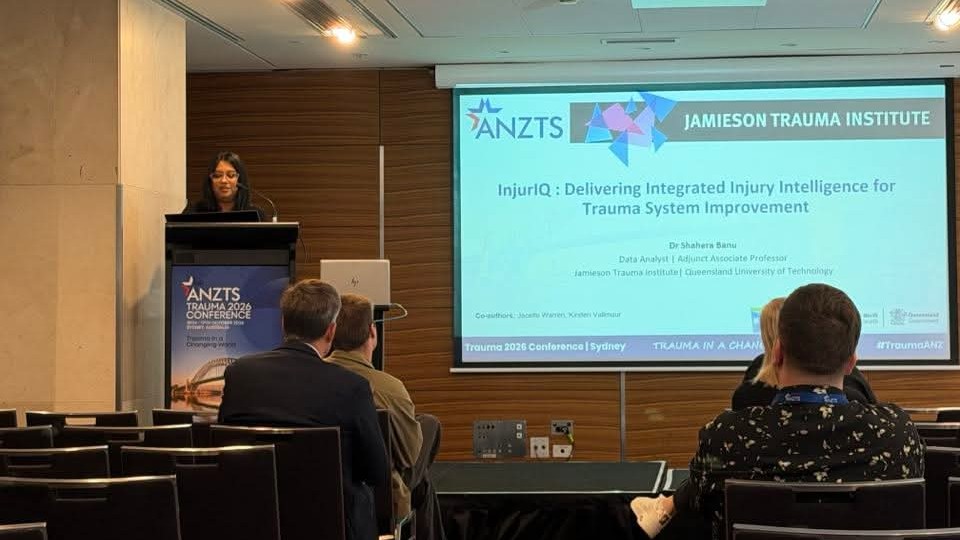
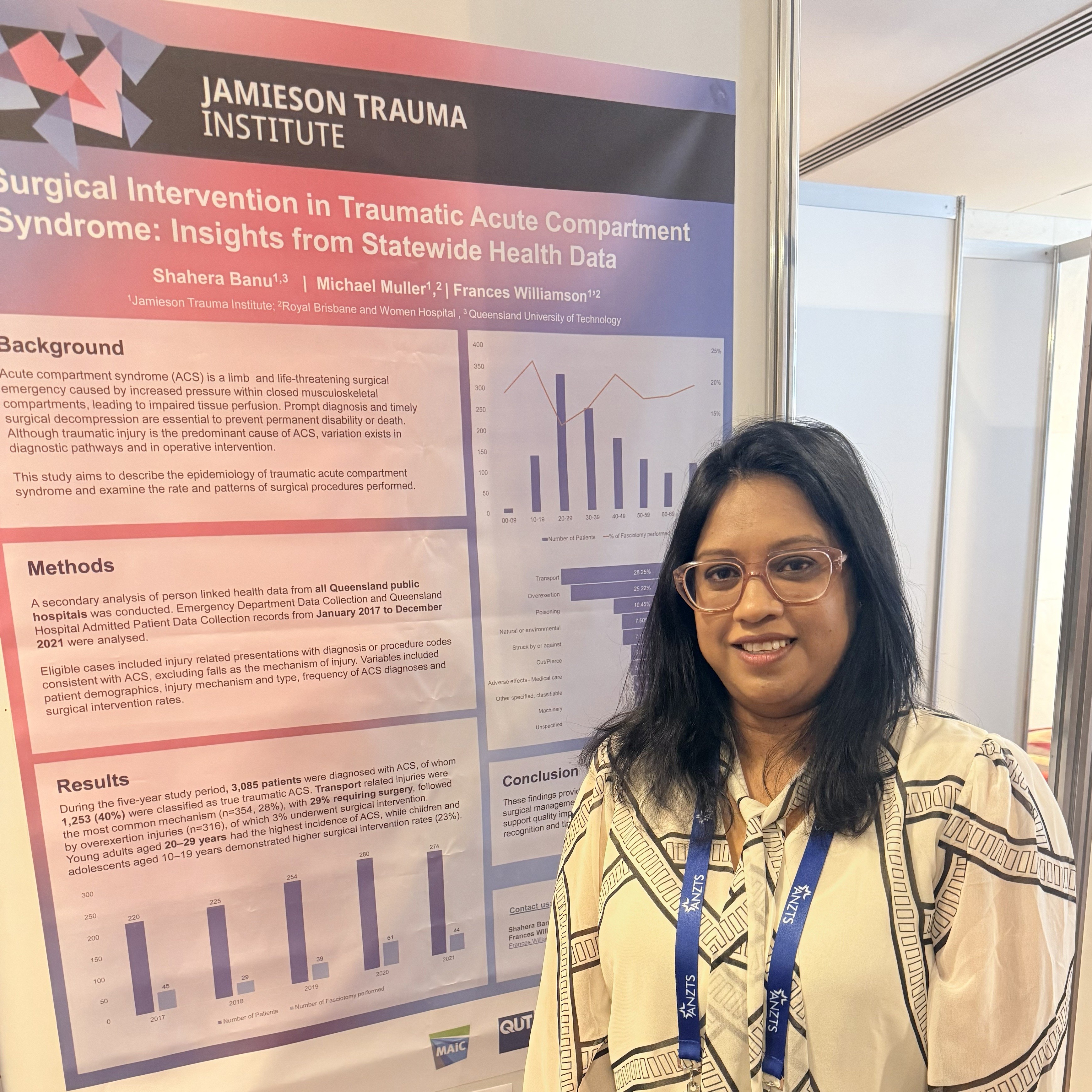
Shahera Banu unveiling InjurIQ, JTI’s Statewide Injury Intelligence Platform linking all injury-related ED presentations, hospital admissions, outpatient services, hospital costs and deaths, and common surgical interventions in traumatic acute compartment syndrome by Shahera Banu.
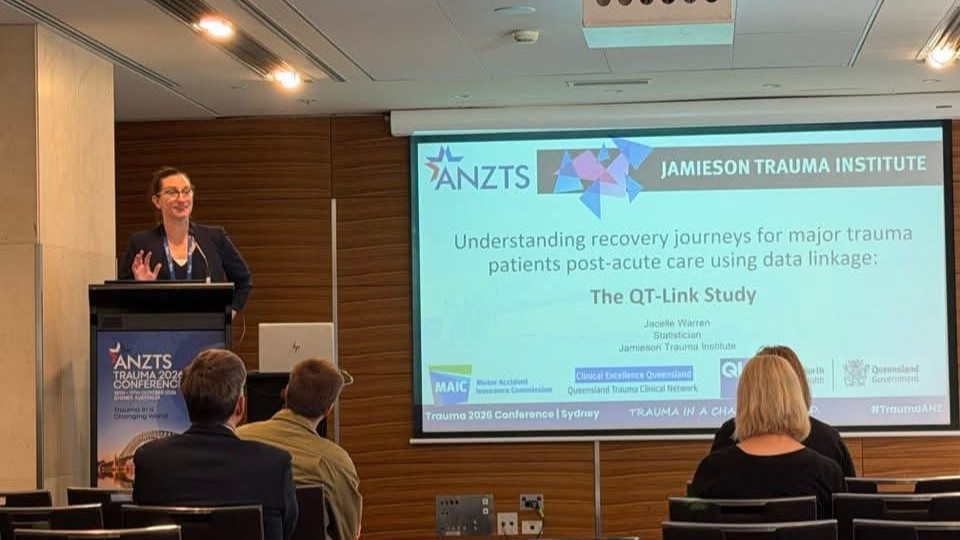
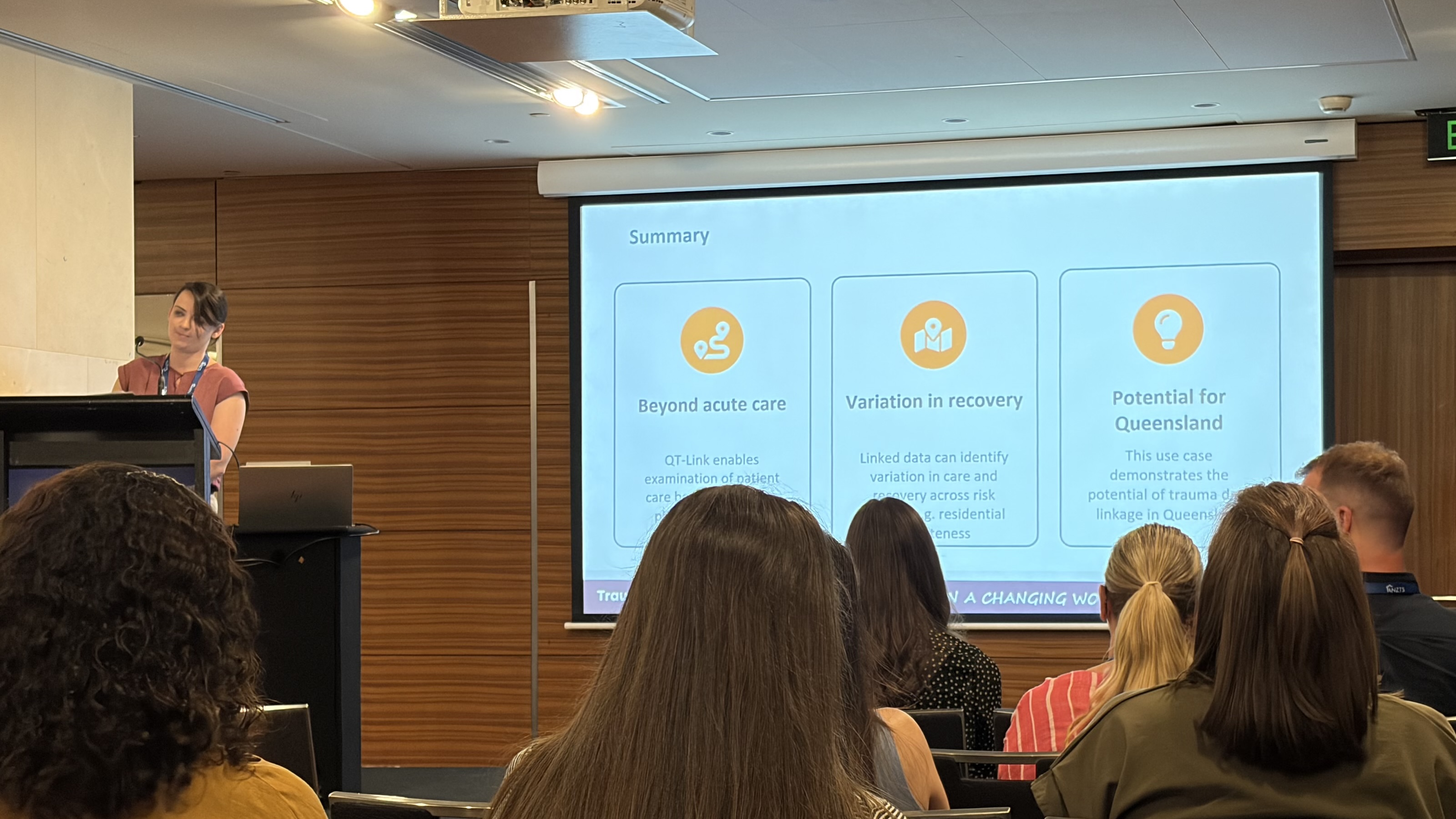
Jace Warren presenting major trauma patient outcome profiles beyond traditional trauma registry capture from the Queensland Major Trauma Linkage Study (QT-Link Study), and Jade Fletcher demonstrating the power of these data for highlighting inequities in post-discharge health service use, costs and outcomes depending on where trauma patients live.
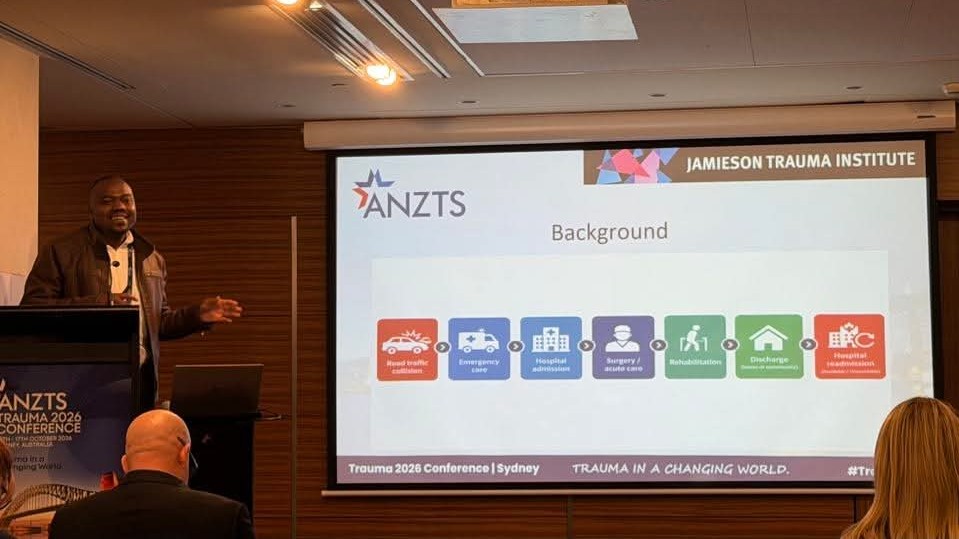
Cliff Afoakwah discussing the trends, costs and policy implications of avoidable hospital readmissions among trauma patients, supporting its use as a hospital performance indicator for monitoring, funding, and benchmarking.
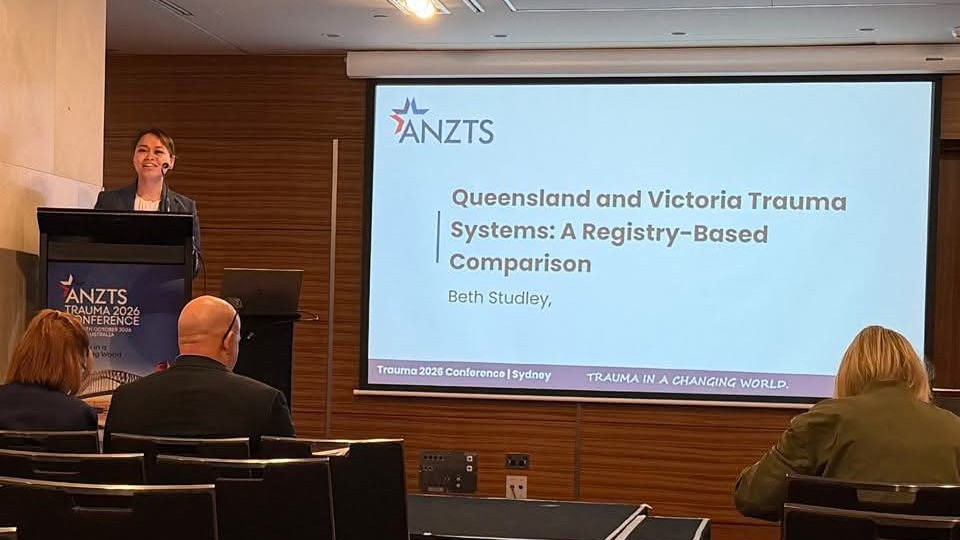
Beth Studley advocating for increased use of the Australia New Zealand Trauma Registry data by showing a comparison of the Queensland and Victorian trauma systems.
Award: Highly Commended Quality Improvement and Implementation Oral Presentation
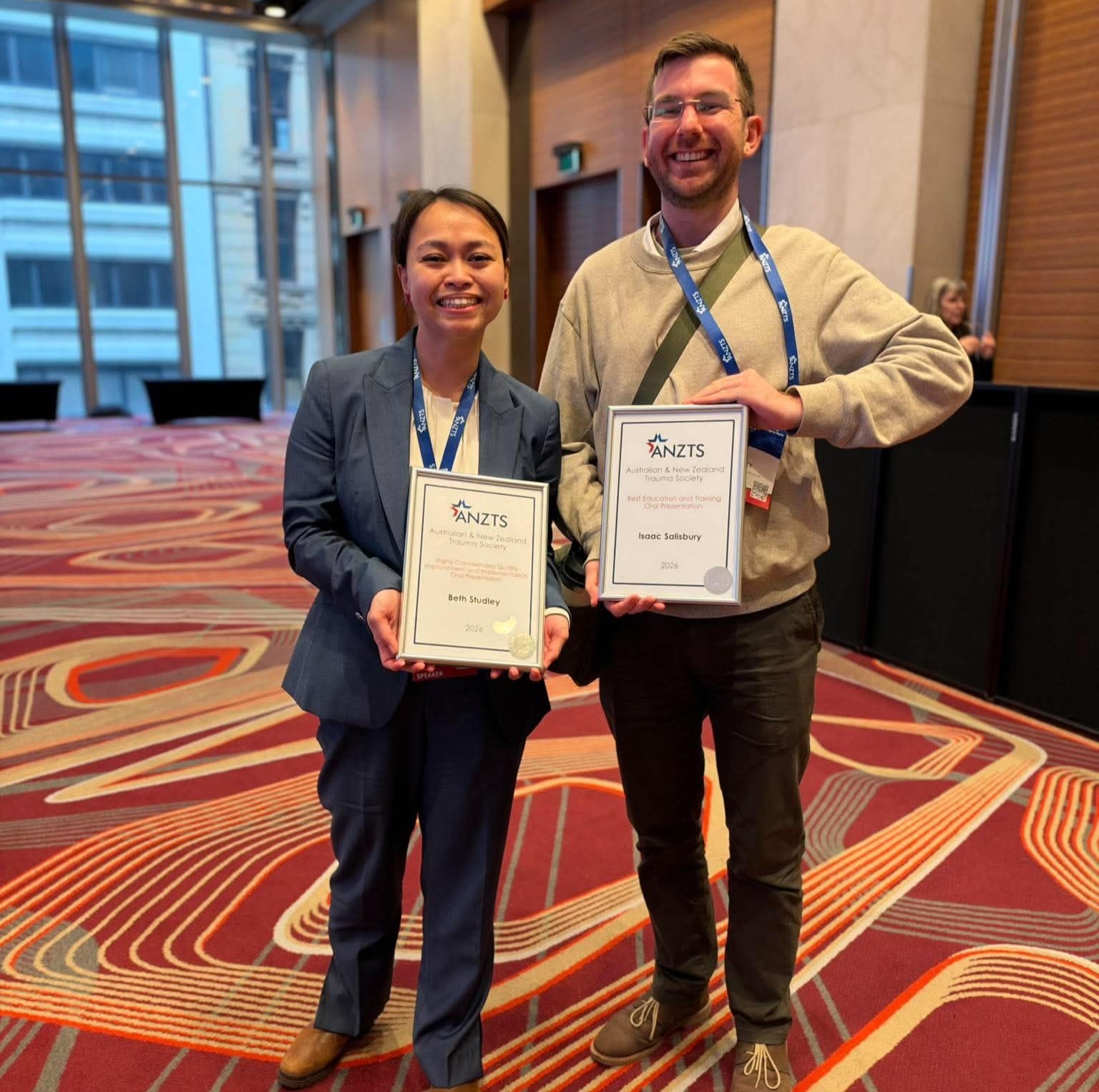
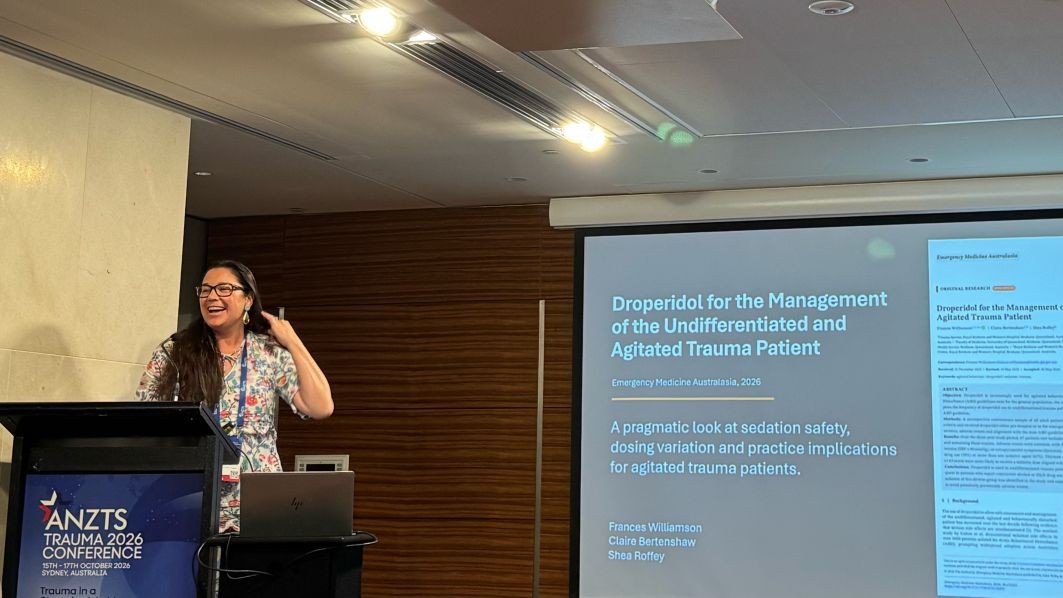
Discussion on clinical topics such as the wide variation seen in using Droperidol for the management of the undifferentiated and agitated trauma patient by Fran Williamson
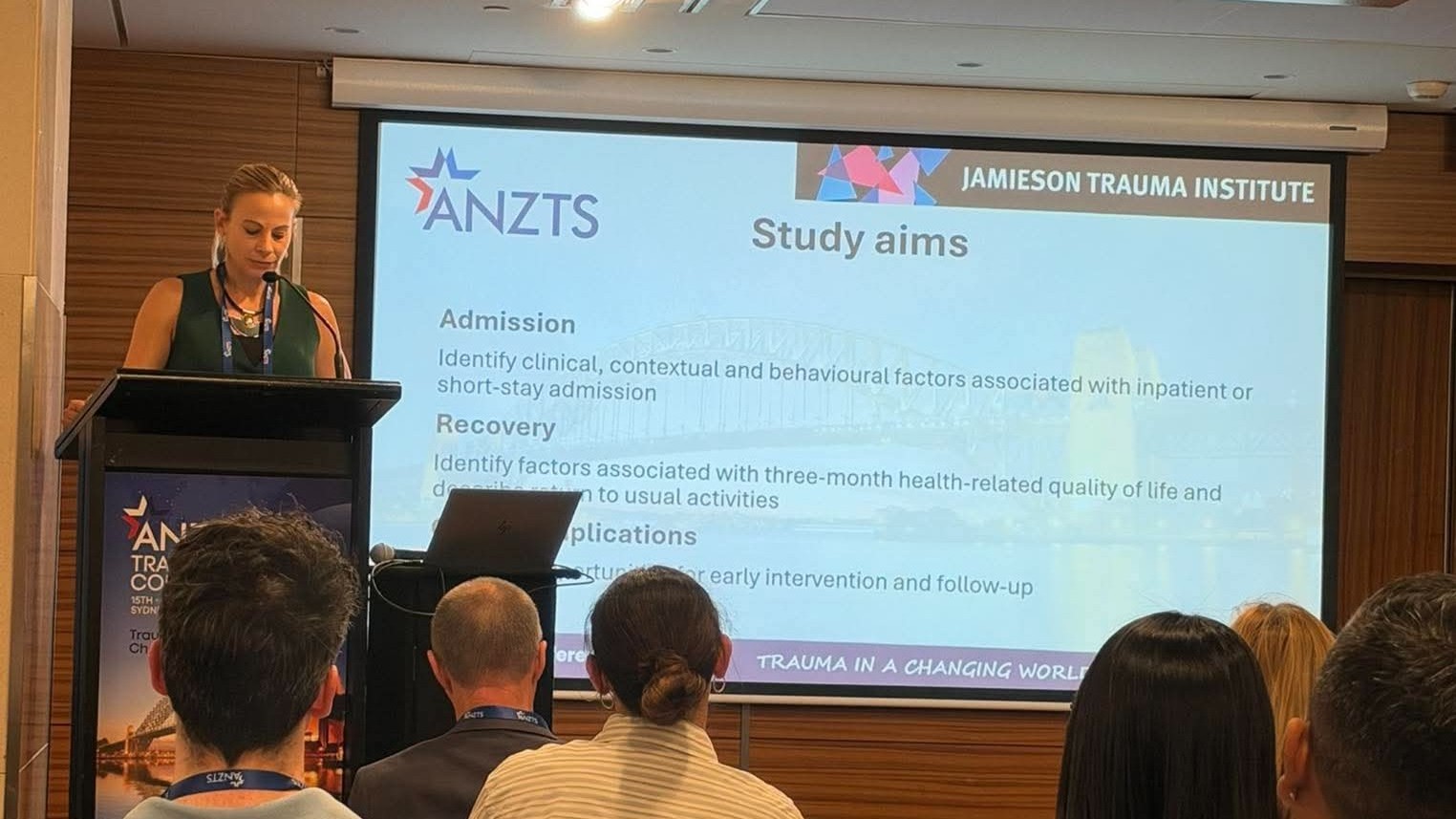
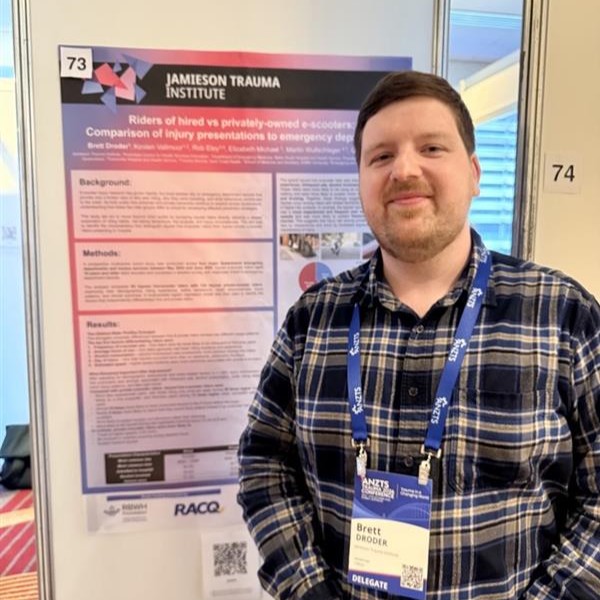
A spotlight on e-scooter safety, with Kirsten Vallmuur discussing the clinical characteristics and outcomes for injured e-scooter users in Queensland, and Brett Droder showing how these characteristics differ between riders of hired vs privately-owned e-scooters.
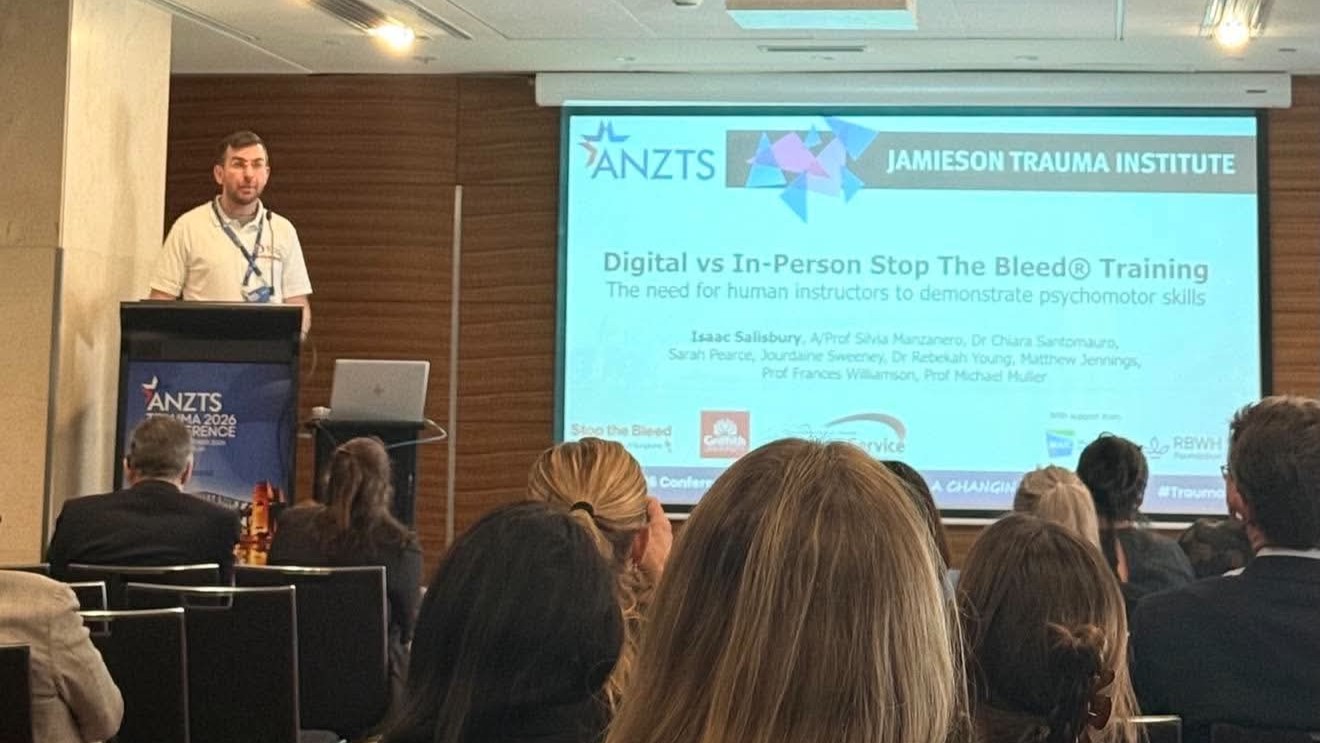
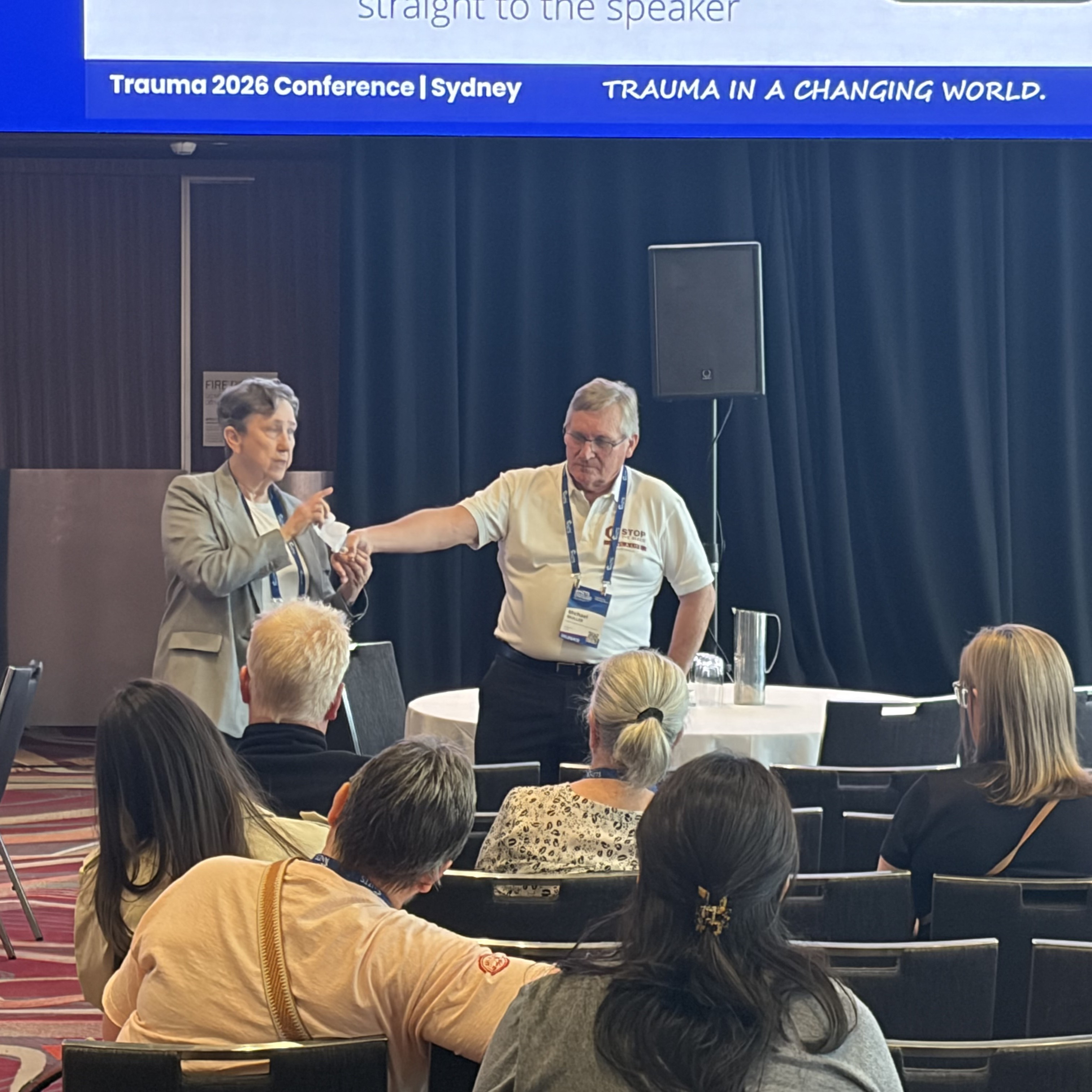
Stop The Bleed® training was delivered to delegates during Day 2 lunch break by Professor Michael Muller. Isaac Salisbury presented on knowledge retention from Digital Stop The Bleed® training compares well with in-person Stop The Bleed® training, however human instructors are needed to demonstrate psychomotor skills.
Award: Best Education and Training Oral Presentation
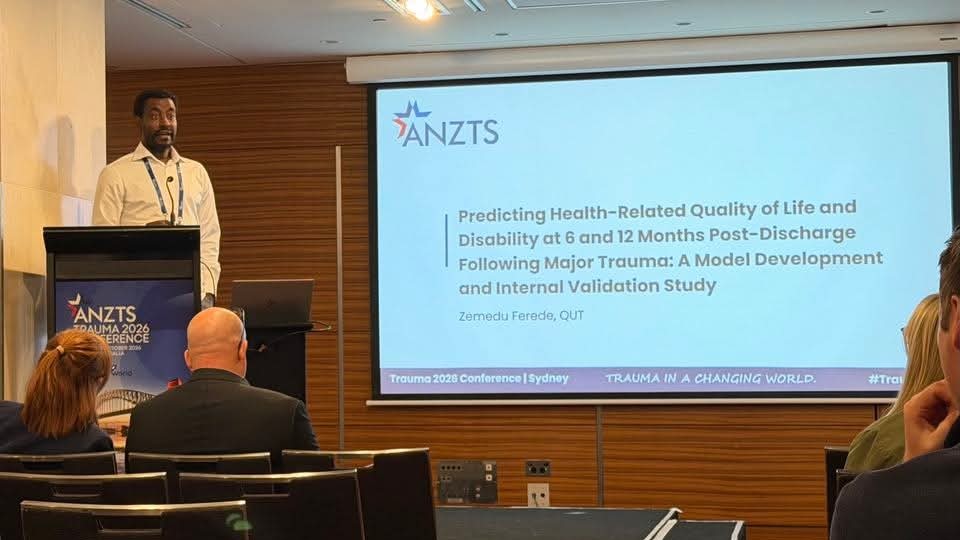
Zemedu Ferede presenting the development and validation of a clinical prediction tool for predicting Health-Related Quality of Life and Disability at 6 and 12 Months Post Discharge Following Major Trauma
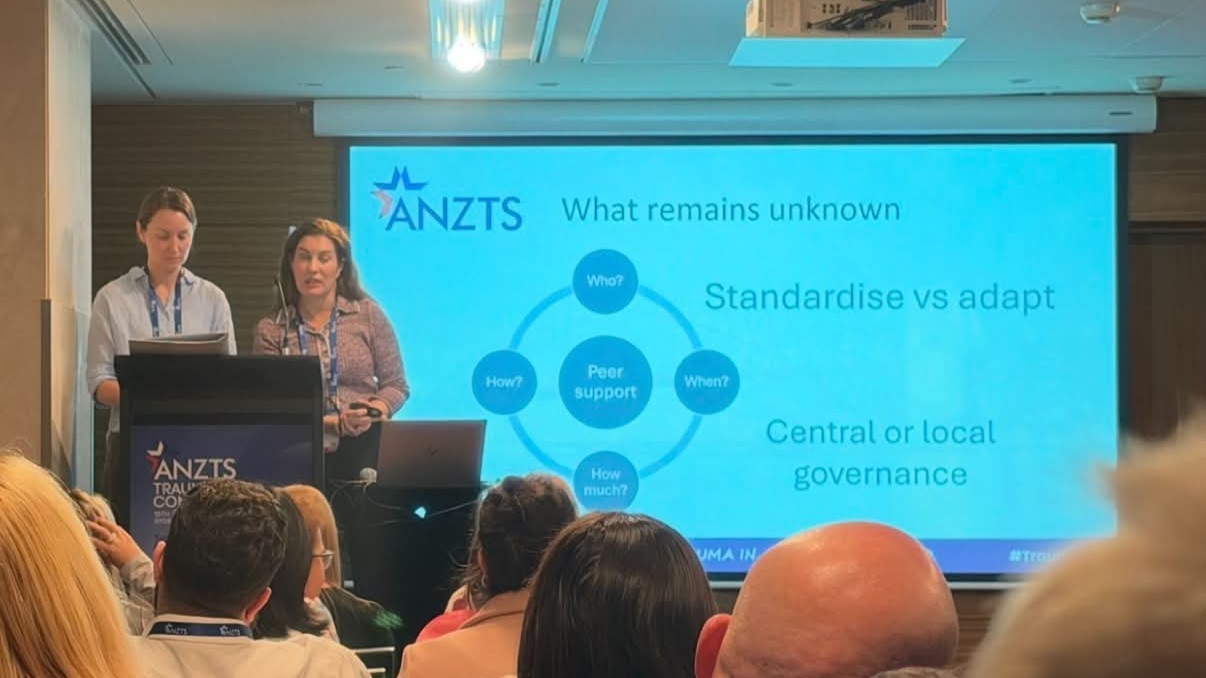
Invited speakers Tanya Smyth and Rebecca Young presenting on the development of a scalable, sustainable, consumer-led peer support program, Major Injury Survivors & Support Community (MISC), for trauma survivors and their families.
Contents
Upcoming Events
JTI Annual Showcase: 2027 Save the date!
Date: Thursday 18 March 2027
Time: 5:00pm
Venue: RBWH Education Centre
Join our community