
Industry Collaboration Enables First in Human Breast Scaffold Clinical Trial
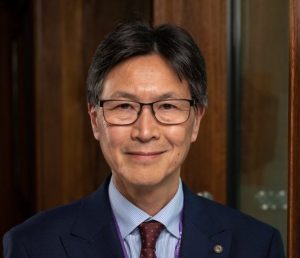
Professor Owen Ung
Professor Owen Ung (UQ & Metro North) is leading a breast reconstruction program translating biofabrication technologies into clinical care.
The breast reconstruction program demonstrates the impact of translating next-generation biofabrication technologies into clinically viable treatment options. Delivered through collaboration between UQ, Metro North Health, HBI and industry partner BellaSeno, the work focuses on scaffoldguided breast tissue regeneration as an alternative to traditional implant-based reconstruction.
Clinical need
Current reconstruction approaches rely on permanent silicone implants, which are associated with complications such as capsular contracture, device failure and high rates of revision surgery. While autologous fat grafting offers a more natural option, it is limited by unpredictable outcomes and often requires multiple procedures.
There is a clear need for solutions that enable durable, patient-specific tissue regeneration without permanent implants.
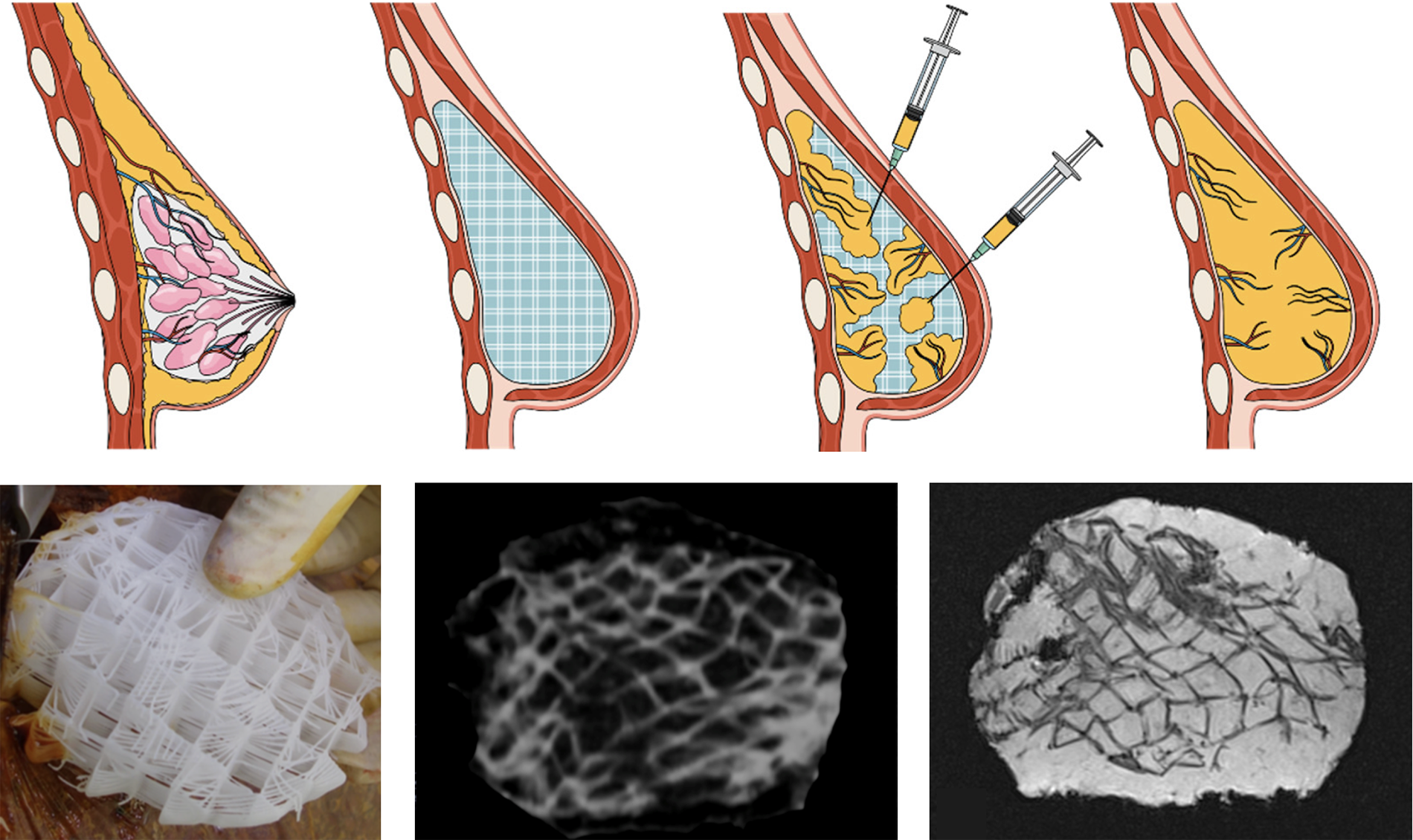
This work has progressed from preclinical research to first-in-human clinical translation. Using additively manufactured, bioresorbable scaffolds combined with autologous fat grafting, the approach supports the regeneration of soft tissue in a way that integrates with standard surgical practice. Preclinical studies have demonstrated sustained tissue regeneration, favourable safety profiles and the absence of capsule formation, supporting progression into a clinical trial evaluating safety, surgical outcomes and patient-reported measures.
The impact of this program sits at both the clinical and system level. It enables access to innovative reconstruction options that aim to improve long-term outcomes and patient experience, while also establishing new workflows for personalised implantable devices across imaging, surgical planning and multidisciplinary care. Delivered within TGA and ethics governance frameworks, the trial demonstrates Queensland’s capability to translate complex, regulated medical innovations into clinical practice.
By connecting surgical expertise, biofabrication and advanced manufacturing, the program strengthens Queensland’s position in regenerative medicine and contributes to the future adoption of personalised, implant-free reconstruction approaches.
I have supported myself, family members and patients through the physical and emotional complexities of oncologic mastectomy. I understand firsthand the need for improved, next-generation reconstructive technologies that better restore form, function, and quality of life.
Publications
- Cheng M, Chapman G, Wagels M, Ung O. Protocol for single-arm clinical trial evaluating medical grade polycaprolactone breast scaffold implantation with autologous fat grafting for breast implant revision and congenital defect correction surgery. BMJ Open 2025;15:e088151.
- Cheng M, Janzekovic J, Finze R, et al. Conceptualizing Scaffold Guided Breast Tissue Regeneration in a Preclinical Large Animal Model. Bioengineering (Basel) 2024;11.
- Cheng M, Janzekovic J, Mohseni M, et al. A Preclinical Animal Model for the Study of Scaffold-Guided Breast Tissue Engineering. Tissue Eng Part C Methods 2021;27:366-77.
Metro North Health, Herston Biofabrication Institute (HBI)
Level 12, Block 7
Royal Brisbane and Women’s Hospital
HERSTON QLD 4029
For General Requests: hbi@health.qld.gov.au
For Clinical Trials: hbiclinicaltrials@health.qld.gov.au