
What infectious disease specialists wish people knew about antibiotics
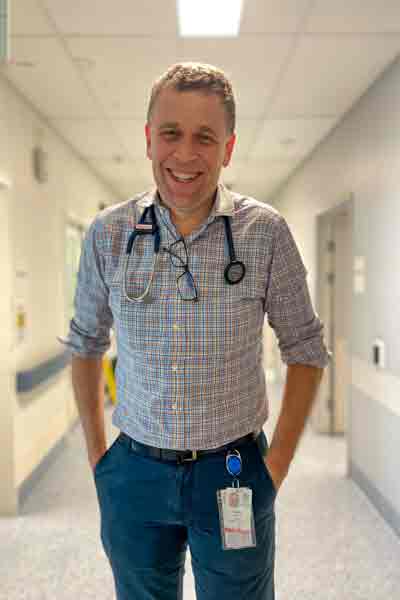
RBWH Infectious Disease Physician Krispin Hajkowicz
Most people have taken antibiotics at some stage in their life, but with recent media coverage on the topic, you may be wondering what you should know before taking them.
Antibiotics are powerful medications that treat bacterial infections by killing bacteria, and are safe for humans to use.
They are incredibly useful to treat serious infections such as pneumonia, ear infections, meningitis, blood infections and other bacterial infections which can make people very sick.
However, taking antibiotics when they are not needed can cause something called antimicrobial resistance, where bacteria become resistant to antibiotics, making them less effective when people genuinely need them.
Royal Brisbane and Women’s Hospital (RBWH) Infectious Disease Physician Krispin Hajkowicz said that Australia is seeing an increase in antibiotic use.
“This is primarily due to our ageing population who are more susceptible to infection, and changes in people’s expectations when they see their GP. They want something to be done,” he said.
“It’s important for people to be aware that antibiotics are only useful for bacterial infections, not viral infections, therefore aren’t suitable to treat the common cold or flu which is caused by a virus.
“Additionally, antibiotics don’t have a brain – they don’t just go to where the infection is. They go throughout the whole body and kill good bacteria too, for example, healthy gut bacteria. Every time we use them, our healthy microbiome which helps protect us from disease is also impacted.”
While antibiotics are a vital resource that save lives every day, Dr Hajkowicz said there are a few things people should be aware of when visiting their GP or medical practitioner.
“If your GP prescribes you antibiotics, make sure you ask them what the diagnosis is, or whether they are prescribing the antibiotics ‘just in case’,” he said.
“If the antibiotics are for ‘just in case’, they probably aren’t useful. You can also ask whether it is worth impacting your healthy bacteria with the antibiotics, or whether there are other options you can try first.
“I also think we need to adjust our expectations when we visit the GP. Sometimes you may just need to give your body a bit more time to heal by itself, and that’s okay.
“Like any good thing in the world, there are risks that need to be weighed up. Are the benefits worth it and is really justified?”
Metro North Health, and all Queensland hospitals abide by mandatory antimicrobial stewardship programs to ensure antibiotics are prescribed correctly.