
Social work intervention helps avoid complex complications
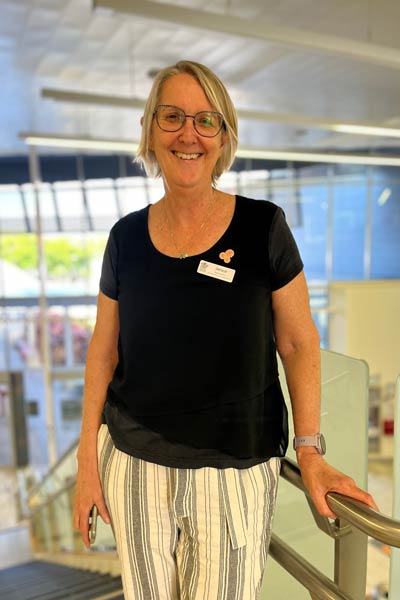
Complex Care Coordinator Janice Morgan is putting supports in place to help the elderly and people with a disability reduce long-term health risks and complications.
A unique new social work position at Community and Oral Health (COH) is having an immediate and lasting impact on reducing the risk of patients developing longer-term complex health complications.
COH Complex Care Coordinator Janice Morgan said it was important that we managed patients supports and ongoing health care needs proactively to ensure that long-term risks were mitigated.
“The complex care coordination role is putting interventions in place to help the elderly and people with a disability before it gets to a critical state,” Janice said.
“I have been proactively helping clinicians with their caseloads by supporting them to navigate through and find the extra supports and care required for a patient who is heading home or into the community.
“It is important that those in need, like the elderly and people with a disability don’t fall through the cracks, and that unnecessary bed days or readmission are avoided.
“By identifying patients in advance, we can get the necessary packages and supports in place to avoid complications that can lead to frequent and lengthy hospital admissions and health interventions in community.”
As part of her role, Janice actively consults and works closely with COH clinicians across all of its bedded and home visiting services and has helped in excess of 100 clients so far.
“Interventions include increased supports prior to Support at Home package assignments, additional disability supports or accommodation while awaiting National Disability Insurance Scheme (NDIS) outcomes,” she said.
“We can also fund interim supports to reduce the risk of hospital admission for those awaiting for access to other services or increased NDIS supports.”
Recently, she assisted a middle-aged patient who was diagnosed with an intellectual disability and at extremely high risk of recurring hospitalisation, if home supports and monitoring weren’t put in place.
“We introduced interim supports by way of health monitoring, a thorough environmental clean and regular domestic assistance, plus support with ongoing wound care through Long Stay Rapid Response funding,” Janice said.
“We also ensured that the patient had access to long-term support through the NDIS.
“Through this intervention, for this patient alone, an estimated 165 hospital bed days were avoided, as well as seeing great long-term patient outcome where the patient was living independently safely.”