
Advance care planning brings meaning and purpose
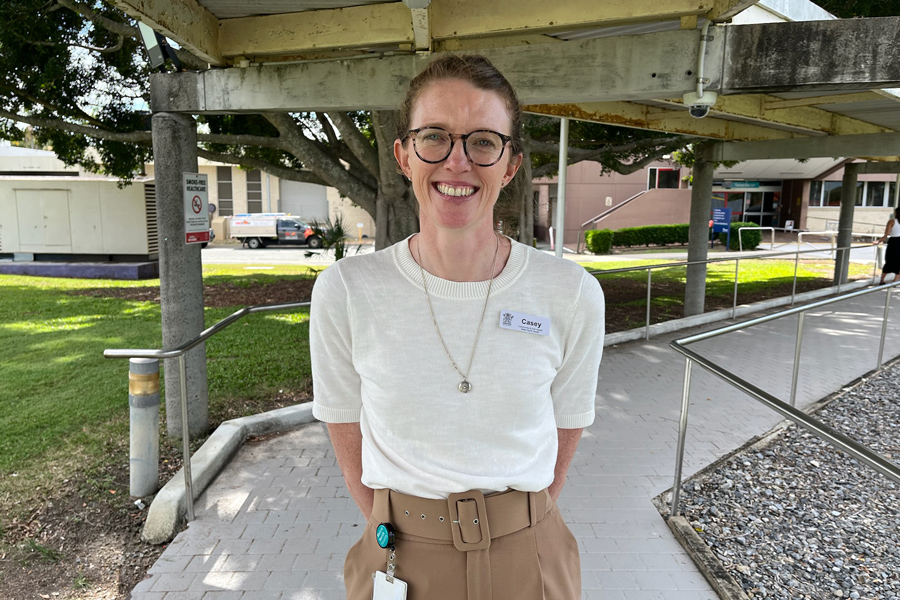
New Advance Care Facilitator Casey Padovan is energised by her role which supports people age with dignity and safeguards in place.
Becoming an Advance Care Facilitator is a natural and meaningful progression for former community palliative care nurse Casey Padovan.
“I love having conversations with people about their life and what is important to them as they age,” she said.
“You have some great conversations, meaningful and purposeful interactions about what situations they would not be happy being in.”
Advance care planning is a process of thinking about your preferences for future health care, which may include deciding about what matters to you, choosing someone who can make decisions on your behalf, and writing down your preferences so your family and healthcare providers know what matters to you if you can’t speak for yourself.
“I want people in the community to have access to advance care planning (ACP) services so they can get things done before they deteriorate and get unwell,” Casey said.
“My aim is to help reduce distress and support people to document their ACP wishes.”
The new ACP Facilitator role in Community and Oral Health works with patients, and residents who are accessing community-based services like Hospital in the Home, community-based rehabilitation or bedded services.
“It is important to ensure that people who become suddenly injured or seriously ill, have plans in place so that medical staff know what their health care wishes are,” Casey said.
“It is very hard for families whose loved ones have lost capacity to make decisions on their behalf, if they have no direction.”
Casey has been a nurse for 20 years, five of which were involved in supporting families and their loved ones at the end-of-life through the Community Palliative Care Service.
“The experience in palliative care was very important for my current ACP role,” she said. “I was able to get more comfortable with conversations about dying and talking to people about their wishes.”
Advance care planning makes sure that the treatment and care you receive reflects your wishes, and your loved ones know what you want if they have to make a decision when a crisis occurs.
“I have been energised by learning new things and meeting new people as an Advance Care Facilitator,” Casey said.
“Clients are grateful for the support and guidance. Talking to them and having a conversation is so important, finding out what gives them meaning.”
Advance care planning could include things like the legally binding advance health directive which provides direction for healthcare decisions and treatments as you age, and enduring power of attorney, or a non-binding statement of choices.
Casey said a statement of choices is an advance care planning document that allows you to record your wishes, values and preferences and helps guide doctors, family, and friends if they need to make important decisions for you.
“Advance care plans are used in situations where you are unable to speak for yourself. Just like making a will, advance care planning is about planning for the future,” she said.
You can access the Queensland ACP service by calling 1300 007 227 or emailing acp@health.qld.gov.au, or visit the Planning your future health care website to find out more.