
Just steak on your plate? An expert reviews the carnivore diet trend.
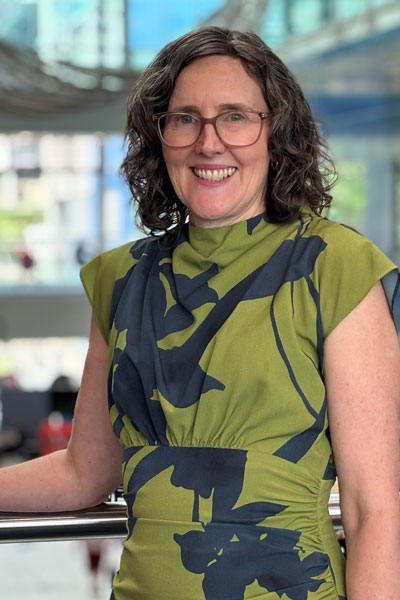
Accredited Practising Dietitian Dr Helen MacLaughlin at Royal Brisbane and Women’s Hospital (RBWH)
From TikTok testimonials to Instagram transformation shots, the carnivore diet is having its moment right now, but experts warn of the risks of the extreme diet trend.
The premise is simple — eat only animal products like meat, chicken, fish, eggs, cheese and butter, and ditch everything else. No fruit. No vegetables. No bread.
According to Royal Brisbane and Women’s Hospital (RBWH) Accredited Practising Dietitian Dr Helen MacLaughlin, it’s an extreme form of diet.
“It’s essentially a zero-carb, high-fat, high-protein way of eating — an extreme form of a ketogenic diet,” she explains.
For many, the appeal lies in its simplicity. There’s no calorie counting or complicated meal prep. Just remove grains, fruit, vegetables, nuts, seeds and processed foods, and fill your plate with steak and eggs.
And yes, weight loss can happen — at least at first.
“When you cut out bread, potatoes, pasta, pastries, and sweet foods, you’re automatically reducing your overall energy intake, which can lead to weight loss,” Helen says.
But this simplicity can wear thin. Eating this way long-term can be socially tricky, expensive, and repetitive.
“Most people would find it very hard to stick to this type of eating for long, and longer-term nutrition and health is a concern,” Helen says.
Dr MacLaughlin says research on the carnivore diet is limited, but early findings raise concerns. Studies suggest it’s low in vitamin C, iodine, potassium and calcium — and provides less than five per cent of our daily fibre needs.
“That’s a problem in maintaining a healthy gut, as we only get fibre from plant foods. Other studies suggest this eating pattern is associated with increased LDL cholesterol and a higher risk of kidney stones and gout flare-ups. Longer-term impacts remain unclear,” Dr MacLaughlin said.
“The diet is especially risky for people with heart disease, stroke, kidney issues, or a history of kidney stones. Anyone using insulin for diabetes should seek medical advice before making any major dietary changes.”
For those chasing weight loss or muscle gains, Dr MacLaughlin suggests a more balanced approach.
“Start by making half your plate plant-based — add vegetables to meals, include wholegrains, nuts, seeds and fruit, and spread protein intake across the day,” she says.
“Protein matters, but it’s one of many nutrients we need to stay healthy.”
In other words, while an all-meat menu might trend well online, most experts agree that a balanced diet, featuring a variety of foods, is the best recipe for a long and healthy life.