
Putting our best foot forward as we age
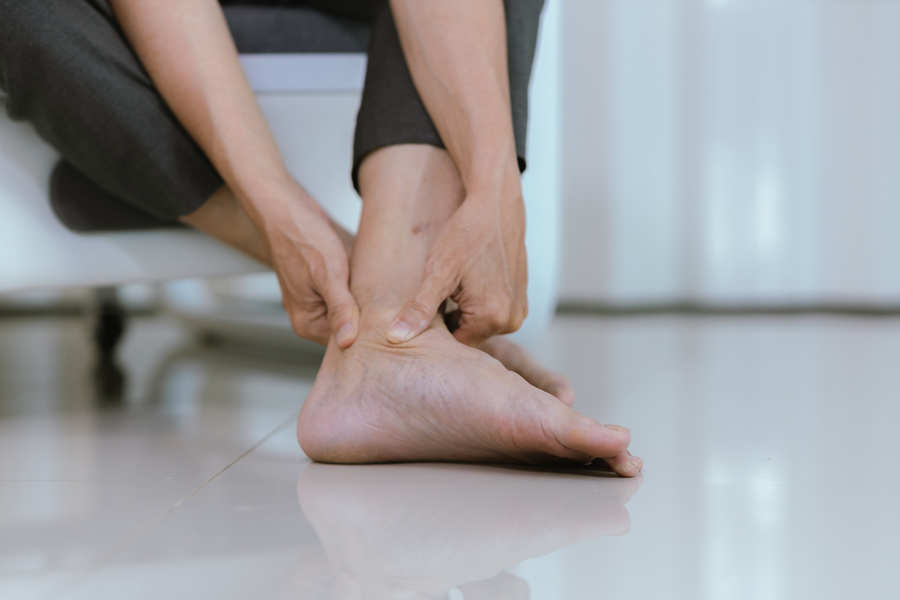
Our feet undergo a number of changes as we age.
You might be familiar with how our skin and hair changes with age, but did you know that our feet also age?
STARS Podiatrist Melody Cargill explains how changes in our feet can have broader impacts on our health.
“Our feet are vitally important for our balance, mobility and independence. The effects of ageing on our feet can have an impact on many aspects of our lives,” Melody said.
From a loss of muscle, shape changes, reduced blood flow, loss of sensation and changes to skin and nails, these are the top five things that happen to our feet when we age.
Muscle strength
As we age our muscle mass and strength decreases throughout our body, including in our feet.
“Our feet have more than 20 muscles that help support the bones, ligaments, and joints. As we age, a loss of muscle strength can affect balance, make walking more difficult, and increase the risk of falls,” Melody said.
Changes in shape
A loss of muscle mass and a weakening of ligaments and tendons can cause the arches of the feet to lower or ‘fall’. This can lead to an increase in foot length and width over time. Additionally, the padding that cushions the heel and ball of the foot can also reduce leading to less shock absorption.
“When people get older their feet are also more prone to structural changes such as bunions, hammer toes or claw toes,” Melody said.
“All of these changes in shape can affect balance, make it more difficult to find suitable footwear, and increase the risk of developing conditions such as plantar fasciitis, tendonitis, corns, and calluses.”
Changes in blood flow
As we age, our arteries naturally become narrower and less flexible, which can reduce blood flow to the feet—especially as they are the furthest part of the body from the heart. People with conditions such as diabetes or rheumatoid arthritis are at higher risk of reduced circulation, which can further impact foot health.
“Blood brings our immune response, so reduced circulation in the feet means slower healing for any cuts, abrasions or blisters and this can also increase the risk of infection,” Melody said.
Changes to sensation
Chronic conditions such as diabetes and rheumatoid arthritis can also lead to nerve damage and reduced sensation in the feet as we age. People may experience symptoms such as burning, tingling, numbness, or pins and needles.
“When we can’t feel the ground beneath our feet as well it makes it harder to adjust for uneven surfaces and obstacles and increases the risk of having a fall. Lack of sensation also means people may not realise when they have a cut which can lead to foot wounds and infections,” Melody said.
Changes in skin and nails
Changes such as less padding and flattened arches increases extra pressure in areas on the feet, causing skin to thicken as a way of providing extra protection. This is how calluses and corns form on the feet.
“The skin on our feet becomes drier and thinner and is more prone to cracking. Our toenails become thicker, more brittle and more difficult to trim, increasing the chance of ingrown toenails and infections,” Melody said.
Tips for healthy feet as we age
While ageing is inevitable, there are many things that people can do to improve the health of their feet. Melody shares her top tips.
- Have your shoe size checked regularly, as it can change with age. Keep in mind that sizing varies between brands, so always focus on the best fit. Wearing the correct size can help prevent problems like ingrown toenails, skin thickening, and blisters.
- Choosing the right footwear is important. Look for shoes that hold your foot securely, allow room for any toe deformities, provide good support and cushioning. It’s best to avoid styles like thongs, high heels, pointed-toe shoes, and flexible soles that can be easily twisted, as these offer limited support.
- Apply moisturiser to your feet daily to help prevent dry skin and cracking. A heel balm is particularly helpful for treating cracked heels.
- Exercise regularly to keep the foot muscles strong. Activities like walking, Pilates, gentle yoga are ideal.
- Avoid walking on hard surfaces barefoot, even in your own home. Socks aren’t shoes and do not offer protection to your feet.
- See a podiatrist if you have foot pain or need treatment for issues like calluses, corns, or ingrown toenails, as some over-the-counter or DIY treatments can cause more harm than good.
- If you have diabetes, it’s important to have your feet checked by a podiatrist once a year to check for changes in the blood flow and feeling in your feet.