
Creatine – the supplement of the moment
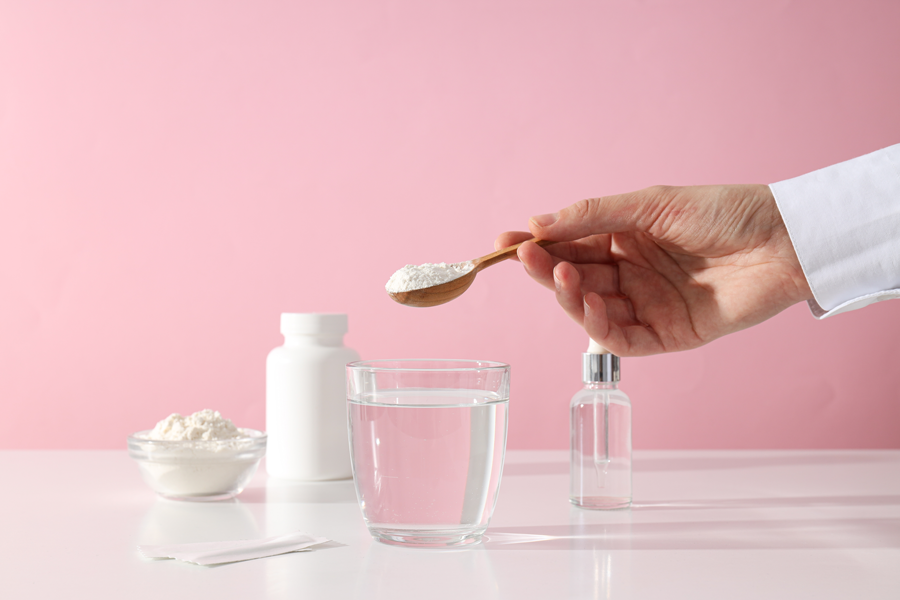
More people are using create to boost their physical performance and improve other important aspects of their health such as sleep and memory.
The interest in creatine is at an all-time high with more and more people looking to use this popular supplement to boost their physical performance and improve other important aspects of their health such as sleep and memory.
But health experts advise that the benefits of creatine for physical performance can only be fully realised, when used in combination with speed and strength exercise training. Benefits for brain, memory and sleep are less clear, with more research needed to determine if creatine can improve brain function, especially short-term memory and when fatigued.
Royal Brisbane and Women’s Hospital Consultant Dietitian Dr Helen MacLaughlin said that creatine monohydrate is one of the most researched exercise and sports performance aids.
“Creatine is a compound found naturally in our muscles and brain,” Helen said.
“Is it important for supplying fuel to the engines in our brain and our muscles when they need to work fast, for short bursts of effort.
“Topping up our normal creatine stores with creatine monohydrate as a nutritional supplement increases the supply of stored creatine to support muscles and nerves when they are working hard, such as during resistance training or explosive exercise.”

Dr Helen MacLaughlin, Consultant Dietitian Royal Brisbane and Women’s Hospital
Helen said there are many studies demonstrating the benefits of creatine for improving muscle size and strength, when combined with weight training or resistance exercise.
“Regular daily doses of 3-5 grams of creatine monohydrate are optimal for muscle stores to allow people to work harder and longer before fatigue sets in,” she said.
“Without the exercise though, taking creatine has no benefits for strength or performance.”
Who should take creatine?
“Creatine has benefits for people looking to improve sports performance and maintain muscle mass through weight bearing exercises and strength training. We know that taking creatine alongside a healthy diet and adequate protein is likely to support high intensity resistance training and improved recovery,” Helen said.
“Women may also benefit from taking creatine supplements during perimenopause to help maintain muscle mass and bone density when combined with appropriate resistance training and adequate calcium and vitamin D.
“More and more research is looking at how creatine can help with brain function, memory, sleep deprivation and brain fog during this perimenopausal stage, however, with mixed results on its effectiveness.”
Is creatine safe?
Helen said that creatine is generally safe and served best with a dose of exercise.
‘Taking more isn’t necessarily better; it can cause bloating, water retention, and won’t be more effective,” she said.
“Studies on creatine use in pregnancy are rare and we have no trials to examine benefits or harm. So for now, we would recommend avoiding the use of creatine when pregnant.
“If people are considering taking a creatine supplement, they should ideally look for pure creatine monohydrate as only ingredient, and avoid products with unnecessary fillers, artificial colours or sweeteners.”