
Why sun safety still matters in Brisbane winter
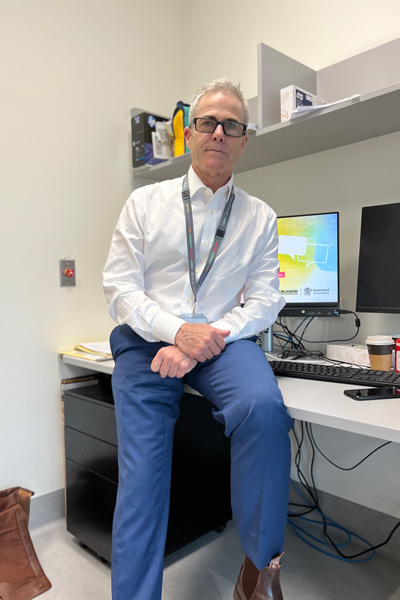
Dermatologist, Dr David Francis encourages winter sun safety in Brisbane.
Brisbane’s mild winter might feel like a welcome break from the city’s intense summer heat, but experts warn the risk of sun damage remains high.
More than 4,000 Queenslanders are diagnosed with melanoma each year, and by age 70, two in three Australians will have experienced some form of skin cancer.
Metro North Dermatologist Dr David Francis says Brisbane’s cooler weather can create a false sense of security when it comes to skin cancer risks.
“Unlike temperature, elevated UV levels are not seasonal in Brisbane. Even when it’s cool, the sun still packs a UV punch,” he says.
While winter sun may feel gentler, UV levels routinely reach ranges that require protection.
“A UV rating of 3 is where people should start being careful,” Dr Francis says.
“Brisbane’s rating is consistently at this level in winter, with UV levels of up to 6 not uncommon.”
These elevated UV levels are due to Brisbane’s subtropical latitude that keeps the sun higher in the sky year‑round.
Dr Francis urges residents to maintain the same sun safety habits in July as they would in January.
“Just because it feels cooler doesn’t mean your skin is immune to the dangers of UV radiation,” he says.
“Wear protective clothing, put on a hat and reapply sunscreen every few hours or after swimming.”
He also recommends avoiding direct sun between 10am and 4pm, when UV radiation peaks.
With outdoor living central to Brisbane’s lifestyle, Dr Francis says sun protection should be a daily habit.
“Applying SPF50+ should be as much a part of your morning routine as brushing your teeth,” he says.
Given Brisbane’s year‑round UV levels, he also recommends regular skin checks.
“Most people should have their skin examined every few years, especially if there’s a family history of skin cancer,” he says.
“Keep an eye on any moles or skin changes and speak with your GP if something looks different.”