
The poor health of seniors’ teeth is under-recognised
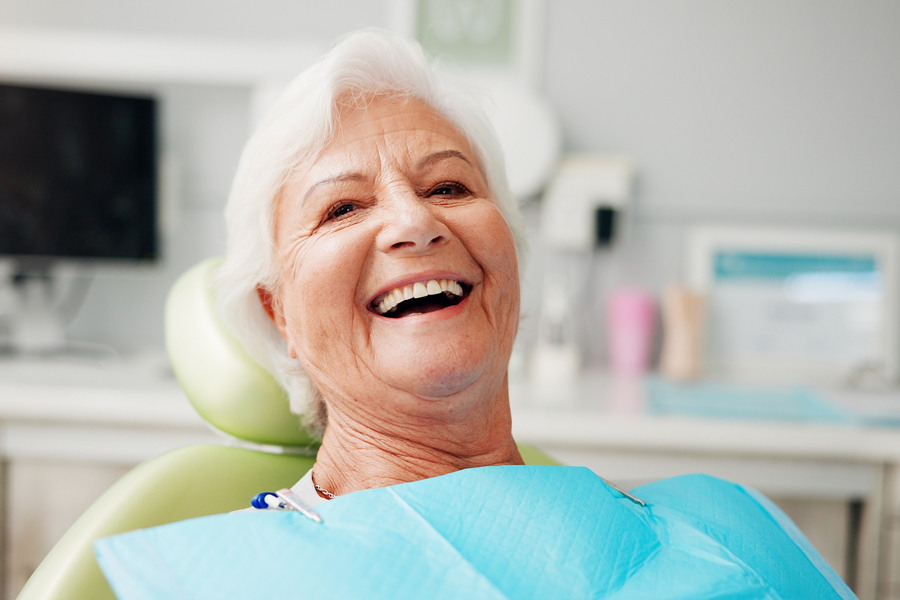
Elderly woman in a dental chair awaiting treatment.
A great deal of importance is placed on the health of children’s teeth, but the dental health of older people is often under-recognised.
In fact, older people have more oral health issues than any other age group:
- More people aged 65+ have at least one tooth with untreated decay (27%) than children aged 5-14 (26%).
- The chance of having tooth damage that requires a root canal or invasive procedure triples over the age of 65.
- 1 in 7 people aged 65 and over have lost all their natural teeth (edentulism).
As with other parts of the body, our teeth begin to show signs of wear and tear with age, worn down by daily biting and chewing.
The Oral Health Centre’s dental specialist Dr Bilal El Masoud explains there are other age-related changes that also impact our teeth.
“As we age, we naturally produce less saliva. Particular medications and health conditions can also contribute to a reduction,” said Bilal.
“Saliva plays a number of important roles including neutralising the harmful acids which can cause tooth cavities, preventing food from sticking to the teeth and supplying essential minerals which protect and strengthen the enamel.
“Having less saliva increases our risk of tooth decay, gum disease and oral infections.
“Our gums also naturally recede with age, leaving the roots of the tooth more exposed. The roots do not have the hard, protective enamel which covers the rest of the tooth, making them more sensitive and susceptible to decay.
“While dental fillings can last a long time, they eventually need replacing. As we age, issues can develop with existing fillings such as cracking and decay around the filling edges.
“The colour of our teeth can also change with age. The enamel thins with age allowing the yellow dentin inside the teeth to show through,” said Bilal.
Poor oral health has impacts on our health beyond our mouth. Missing, wobbly or painful teeth and/or sore gums can make eating difficult leading to limited food choices and poor nutrition. In addition, harmful bacteria in the mouth can raise the risk of heart disease, stroke, respiratory infections, diabetes and even dementia.
Seniors report less trips to the dentist, with cost being one of the main barriers.
The Oral Health Centre provides free public dental care* to eligible Queensland residents who receive benefits from any of the following concessions cards:
- Pensioner Concession Card issued by the Department of Veterans’ Affairs
- Pensioner Concession Card issued by Centrelink
- Health Care Card
- Commonwealth Seniors Health Card
- Queensland Seniors Card
For more information please visit the Oral Health Services website.
Tips for keeping our teeth healthy as we age
We will all be impacted by ageing but there are a few things we can do to keep our teeth healthy. Bilal shares his top tips:
- Brush with fluoride toothpaste and floss at least twice a day.
- Switch to a softer-bristle toothbrush for gentler brushing on receding gums.
- Consider an electric toothbrush – they tend to be easier to hold, particularly for people with reduced dexterity and are better at removing plaque than manual brushes.
- Switch to a desensitising toothpaste if experiencing tooth sensitivity.
- Stay hydrated to support natural saliva production.
- Reduce caffeine and alcohol as they dehydrate the mouth.
- Products to help with dry mouth are available.
- Schedule regular visits to the dentist to monitor for gum disease, decay and other changes. The frequency of these visits can vary depending on your risk profile, but can be as regular as every 3 months.
*While most care at the OHC is free for patients with concessions, there are some treatments e.g., implants, crowns, bridges and braces, where you need to contribute some of the cost.