
Maintaining memory with dignity
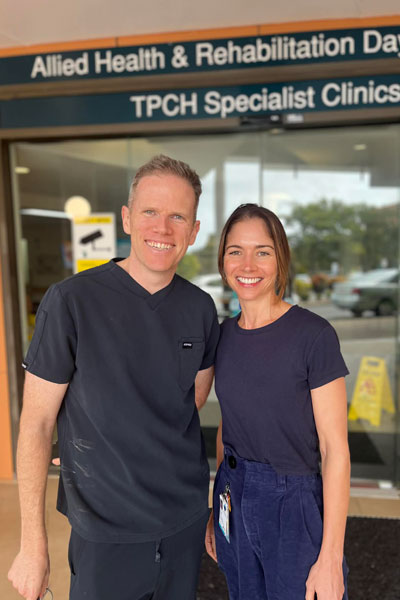
Geriatricians Dr Benignus Logan and Dr Sarah Fox run the memory clinic at The Prince Charles Hospital.
Preserving a good memory is a common health concern for people as they grow older.
When memory starts to falter, it can be a worrying time for the person experiencing the change, and for loved ones witnessing it.
Geriatrician Dr Benignus Logan, co-lead of the dedicated Memory Clinic at The Prince Charles Hospital said that changes in memory can be subtle at first, then progress to being more serious where it affects important day-to-day activities.
“Memory issues can present in simple ways like forgetting to attend appointments or pay bills, getting lost, changes with language, difficulty finding words, repeating things or forgetting what they are doing in the moment,” Dr Logan said.
“Many people put their memory problems down to just getting older, but it can sometimes be a sign of a more serious cognitive condition like dementia.”
Dementia Australia estimates around 446,500 Australians are currently living with dementia, with approximately two in three living in the community and the remainder in residential aged care. This figure is projected to increase to an estimated 812,500 by 2054.
A further 1.7 million Australians are involved in supporting or caring for someone with dementia, highlighting the significant and growing impact on families, carers and the broader community.
Dr Logan said that with dementia rates growing across Australia, early assessment of memory issues is important for individuals and families if they are concerned.
“Through the memory clinic, we see many different individuals with a range of memory concerns, some as early as in their 50s,” he said.
“It’s about to talking to people and their families to understand the severity of the problem and what might be causing it.

Early assessment of memory issues is important for individuals and families if they are concerned.
“Memory issues are not always due to dementia and might be the result of other factors such as mental health, mood, sleep and medications—all of which can affect the brain’s function.
“That’s why early assessment of memory issues is critical, as it allows people and their families to understand what is happening and plan ahead accordingly, especially if there is a clear diagnosis of early onset dementia.
“Unfortunately we find that many people with this diagnosis, only see us when they are at crisis point. This can make very challenging difficult for families to access the help they need in a timely way.
“In patients with early onset dementia, there can be home and community support available however these can take time to organise which can be stressful for loved ones.
“Planning ahead for the future allows people to have dignity as their symptoms progress.”
Dr Logan said there a number of ways people can help maintain brain health by focusing on overall physical, mental and social wellbeing.
“Regular health checks, staying physically active, eating a healthy diet, managing heart health, getting good sleep, and avoiding smoking or excessive alcohol all support a healthier brain,” he said.
“Keeping the mind active through learning and hobbies, staying socially connected, and looking after hearing, vision and mental health are also important.
“While cognitive concerns can’t always be prevented, addressing these modifiable lifestyle factors can lower risk and help people maintain brain function as people age.”
If you are concerned about your memory, or the memory of a loved one, please talk to your GP for an early referral to a geriatrician.