
The men’s health symptoms that shouldn’t be ignored
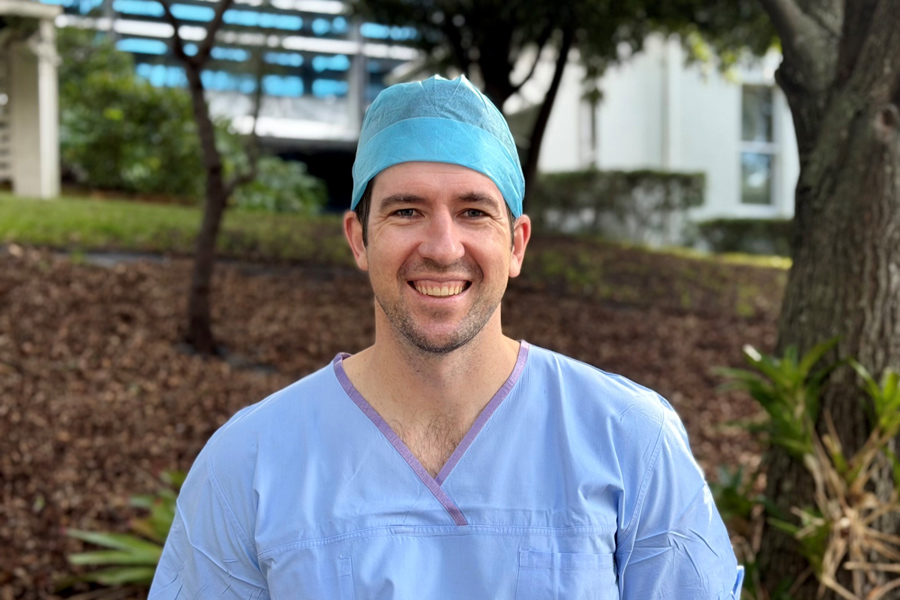
RBWH Urologist Matthew Roberts
Throughout the Australian population, men’s health issues are increasing, largely driven by rising rates of obesity, chronic conditions and lifestyle choices.
Thankfully, many serious conditions are highly treatable, particularly if detected early.
Royal Brisbane and Women’s Hospital (RBWH) urologist Dr Matthew Roberts is a specialised doctor who looks after conditions affecting the urinary system (kidney, bladder and urine flow) and the male reproductive system.
Dr Roberts said a big part of his role as a urologist is early detection and reassurance, working closing with GPs to investigate symptoms and guide patients through testing and treatment.
“There are a few key symptoms we really encourage men not to ignore. These include blood in the urine, even once, changes in urination, persistent pelvic, back or testicular pain, and unexplained weight loss or fatigue,” he said.
“The key message is simple—these symptoms are never normal and shouldn’t be brushed off. In many cases, the cause is something treatable, but occasionally these are early warning signs of more serious conditions like cancer.
“Getting checked early can make a significant difference and often starts with something simple like a urine or blood test.”
In urology, some of the most common and important men’s health issues seen include prostate cancer, benign prostate enlargement, blood in the urine (haematuria), kidney stones, testicular cancer, erectile dysfunction and bladder issues.
“These issues impact a wide range of ages, however due to greater awareness and earlier testing, we are detecting prostate cancers in younger men earlier, which means treatment is more likely to be successful,” Dr Roberts said.
“We are seeing a large increase in conditions such as kidney stones which are often lifestyle related, with things like diet, hydration and obesity being key risk factors.
“It’s really important that men are aware of their family history in relation to things like prostate cancer, prioritise a healthy lifestyle, and for men over the age of 50, we want them to see their GP regularly.
“Over time, we’re seeing a gradual shift towards men being more proactive about their health which is encouraging to see.”
There are a number of rapid advances happening in the urology space, highlighting real progress and real hope for a range of health conditions.
“Robotic surgery, focal therapy and advanced medical imaging is improving how we detect and treat conditions, allowing more accurate and earlier detection, more precise treatments and faster recovery,” Dr Roberts said.
“The main thing I want people to remember is that if something doesn’t feel right, even if you’re just unsure, it’s always worth getting checked.”