
Doctors remind kids to play safe this winter
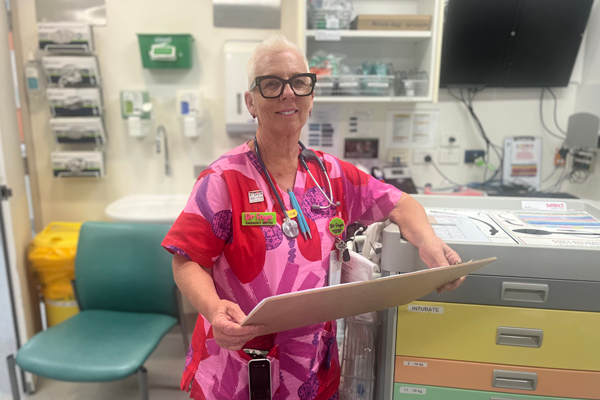
Dr Faye Jordan, Emergency Staff Specialist The Prince Charles Hospital
With winter sports now in full force, Brisbane doctors are reminding people about the risks of physical injury.
Between March and September last year, The Prince Charles Hospital’s Emergency Department (ED) treated a steady stream of children for sport-related injuries, with presentations rising during the winter sporting season.
This year in the first half of the winter sports season, TPCH’s ED has already seen around a high number of children and adults for sports-related injuries, particularly from contact sports played during the cooler months.
TPCH Emergency Staff Specialist Dr Faye Jordan said some the most common injuries seen from winter sports include musculoskeletal injuries like ankle sprains, strains and concussion.
“We see many lower limb injuries – particularly to the knee and ankle – especially in children and younger adults playing contact sports such as football codes, netball and soccer,” Dr Jordan said.
“Suspected fractures should be seen to as a priority, ideally through the local emergency department where x-rays can be used to confirm the diagnosis.
“Concussion resulting from a knock to the head is also a frequent presentation.
“It’s important for parents and teachers to remember the single most critical step – if a child takes a knock to the head, they should come off the field immediately and not return to play until they have been properly assessed and specifically cleared to do so.
“All head injuries should be assessed following the injury by the nominated first aid or medical officer on site to determine of a visit to the ED is necessary.”
Typical signs of concussion include headache, difficulty remembering events before, around or after the head knock, and challenges with concentration and stamina, especially for academic tasks.
“However not all concussions have immediate symptoms, so it’s important to show caution with any head injury,” Dr Jordan said.
“People who have suffered a head injury should avoid returning to sport prematurely to prevent potential reinjury. An additional head impact could worsen the initial injury and prolong recovery.
“For this reason, children should be immediately removed from contact sports or from other environments that might result in secondary impact such as physical education.
“Decreased screen use and light physical exercise such as walking in the first 48 hours after injury can also improve recovery.”
Reducing risk of injury
Dr Jordan said there are a number of steps young people can take to reduce the risk of injury when playing sport:
- Attend training regularly to develop the skills you need
- Warm-up properly
- Wear correctly fitted protective equipment e.g. mouthguards, headgear
- If you experience pain, check to make sure it’s ok to keep playing. It’s better to come off the field and recover than make an injury worse and be out of action for the rest of the season.
“Please remember there are a number of alternate urgent care options including GPs, Virtual Emergency Care Service, urgent care clinics and Satellite Health Centres,” she said.
“It’s important to keep Emergency Departments for urgent or critical situations.”
For non-urgent situations where advice is still needed from a health practitioner, please call 13 HEALTH (13 43 25 84), make an appointment with a GP or visit your local pharmacy for help with a variety of minor symptoms.