
RBWH strengthens its commitment to patients with cognitive impairment
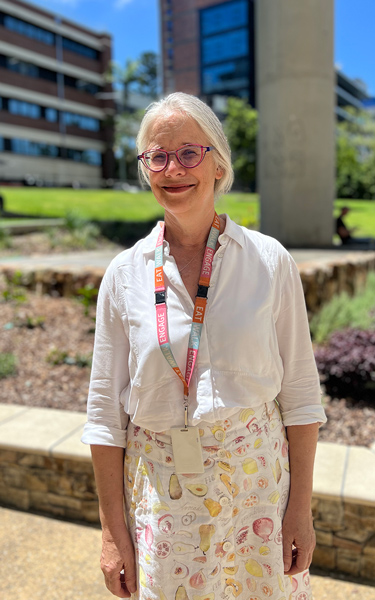
Dr Alison Mudge and her team created the Eat Walk Engage program at RBWH in 2015
From humble beginnings in a single ward at the Royal Brisbane and Women’s Hospital (RBWH) in 2015, the internationally recognised Eat Walk Engage program is now benefiting patients in 18 hospitals across 53 wards in Queensland.
Consultant Physician Dr Alison Mudge created the program with her team at RBWH and explains its benefits.
“We know that cognitive impairment, including dementia and delirium, affects one in three inpatients at RBWH,” Dr Mudge said.
“These patients often end up spending longer in hospital, have higher risks of complications and greater care needs.”
Eat Walk Engage addresses some of the elements of healthcare settings that cause delirium, especially in those who have dementia, frailty or serious illness.
“The program is all about keeping patients moving, nourished and connected to the people and activities that matter most to them, which are identified as key factors in preventing delirium while in hospital,” Dr Mudge said.
“We are taking what we know from extensive research into delirium prevention and applying it clinically to achieve real results for patients, their families and staff. To date, more than 100,000 patients have benefited from this evidence-based approach.”
Alongside the recent Eat Walk Engage anniversary, RBWH launched a new Cognitive Impairment Action Plan that seeks to embed cognitive-informed care across the hospital.
“Expanding the Eat Walk Engage Program is among the goals of the action plan. We know that the program works and are looking forward to making it available to more patients who are at risk of delirium in the coming years,” Dr Mudge said.
Other goals of the action plan include strengthening workforce capability and capacity to care for those with cognitive impairment and enhancing partnerships with carers and families to support better care within and beyond the hospital environment.