
Half of us are ‘always tired’, but is your chronotype to blame?
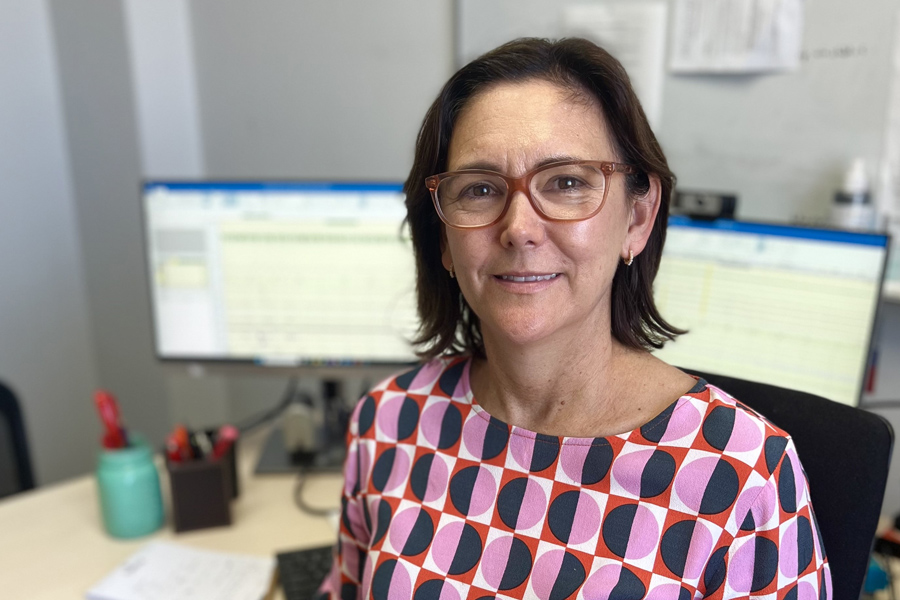
Dr Deanne Curtin, Director at the TPCH Sleep Disorders Centre discusses how chronotypes might have your sleep off schedule.
If you’ve ever felt you can’t possibly get up for work, or you feel most sleepy when you should be ‘on’, you’re not alone! Many people struggle with their chronotype not matching up with life’s schedule.
In fact, about 50 per cent of all people say they are ‘always tired’, an alarming figure given sleep’s importance for overall health.
Chronotypes are the body’s natural preference to sleep and wake at certain times, and it’s not uncommon for night owls and morning larks to find themselves beside each other – or find themselves in a job that doesn’t align with their preference.
While there is no right or wrong time to wake up and go to bed, Dr Deanne Curtin, Director of The Prince Charles Hospital Sleep Disorders Centre says you might need some support if your chronotype makes daily life difficult.
“We often see teenagers and young adults fall in the night owl category, which means they are fighting their body clock to get up or concentrate at school, largely due to a biological delay in melatonin,” Dr Curtin said.
“As we get older, many people naturally wake earlier, so early birds become more common – this is biological, but also environmental, with many parents to young children finding they are woken up regardless of their body clock.
“There is a third type of rare chronotype, known as free running or non 24 hour, where people have no pattern. This can affect people who may have loss of sight, as melatonin production in the brain is suppressed by light.
“And then there are the rest of us, who fall within the ‘normal’ range – but there really is no normal, only what works for your life.”
For those that lie awake at night struggling to catch some shut-eye, Dr Curtin suggests a blue-light reduction app for your phone, dimming the lights in your house, and avoiding exercise at least an hour before bed.
While night owls sometimes ‘sleep procrastinate’ when forced to adapt to a schedule, Dr Curtin encourages a regular wake time regardless of how tired you are, to ultimately try reset your body clock.
If you’ve tried all of this and can’t get on the same schedule as your 9-5 or the important people in your life, chronotherapy with an expert could be what you need.
“This is done under supervision with an expert sleep specialist, where we adjust the circadian rhythm through light therapy and melatonin,” she said.
“This helps both those in the advanced sleep phase (morning larks) and those in a delayed sleep phase (night owls) who are experiencing issues in daily life, to get more in sync.
“Inadequate, poor quality and irregular sleep can all impact your physical and mental health, with people experiencing irregular sleep also having poorer health outcomes.
“If you need support with your sleep, come and see us at the Sleep Disorders Centre.”