
How injectable weight-loss medications can lead to nutritional deficiencies over time.
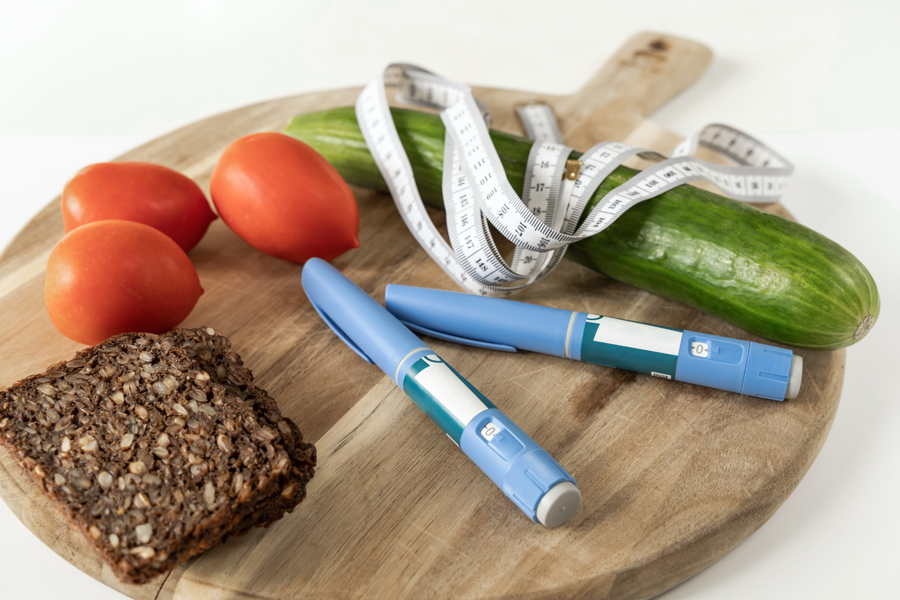
Weight loss injections and nutrition.
The growing popularity of injectable weight-loss medications has raised concerns about how a focus on losing weight could lead to nutritional deficiencies.
Senior Dietitian, RBWH, Robin Hay explains the issue.
“As these medications can reduce appetite, some individuals may naturally eat less than before,” Robin says.
“Although evidence is still emerging, early research suggests a small number of people may develop low nutrient levels over time.”
Essentially, there is a reduced intake of food to supply the body with adequate amounts of protein, fibre and essential vitamins and minerals.
Low nutrient levels can lead to health issues like anaemia, low bone density, poor immunity, loss of muscle mass, neurological issues and even old-fashioned disease like scurvy.
“People using the new generation of injectable weight-loss medications should continue to prioritise a balanced diet made up of mostly whole foods to ensure they receive essential nutrients. Following the Australian Guide to Healthy Eating is recommended, regardless of whether these medications are used or not,” Robin says.
“Focusing on a varied, nutrient-dense diet can support long term well-being as well as sustainable weight management.
“Anyone with concerns about their nutrient intake or the effects of injectable weight-loss medications should speak to their health care provider. Blood tests to assess vitamin and mineral levels may be appropriate, and supplementation can be considered if needed.
“A referral to an Accredited Practising Dietitian for a comprehensive nutritional assessment may also be beneficial.”
Nutritional tips for those using injectable weight loss drugs
- Choose protein-rich foods such as lean meats, poultry, fish legumes and eggs.
- Choose plenty of vegetables, wholegrains, fruit, low-fat dairy products and healthy fats (olive oil, nuts and seeds).
- Limit foods high in saturated fats, salt and added sugars (eg., fatty meats, fried foods, pastries, cakes, biscuits, lollies, potato chips)
- Stay hydrated by drinking water regularly throughout the day and avoid sugary drinks.
A balanced diet should also be combined with regular physical activity.
“Regular physical activity remains an in important part of a healthy lifestyle. Adults are encouraged to aim for at least 150 minutes of moderate-intensity exercises each week, along with muscle-strengthening activities on at least two days,” Robin says.