
Improve your daily dose of doze
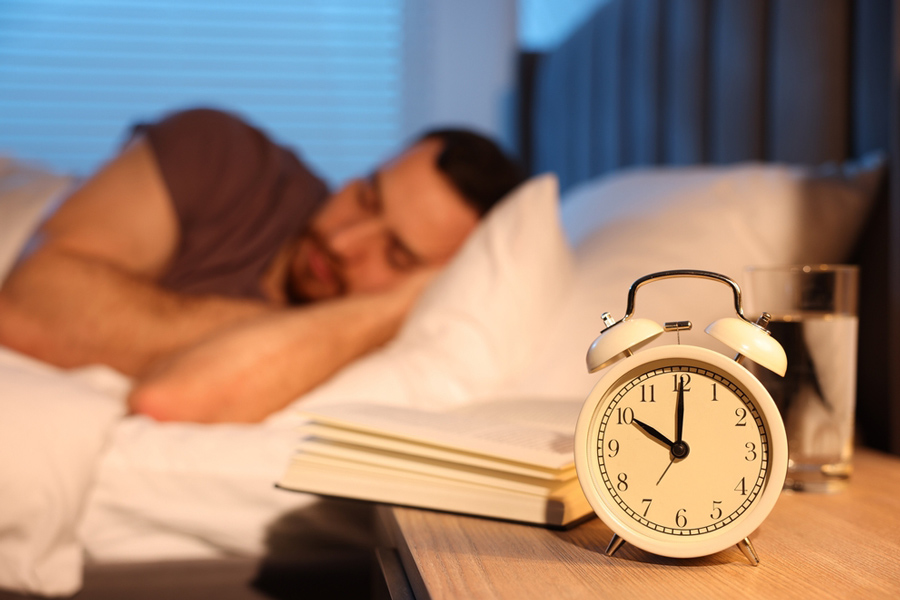
Sleep experts estimate that 3 in 4 Australians are struggling to get a good night’s sleep.
Waking up in the middle of the night, tossing and turning is an experience many of us are all too familiar with.
Sleep experts estimate that 3 in 4 Australians are struggling to get a good night’s sleep.
Director Sleep Disorders Centre at The Prince Charles Hospital Dr Deanne Curtin said that sleep is becoming increasingly recognised as a pillar of good health, alongside nutrition and physical activity.
“Sleep plays an important role in allowing the body and mind to rest, supporting good immune system and metabolic function, and conserving energy for daily living,” Dr Curtin said.
“We also know that sleep acts as a critical nightly maintenance cycle for the brain, using the glymphatic system to flush out neurotoxic waste naturally accumulated during waking hours.
“For optimum health, adults should try and get between 7 to 9 hours of sleep each night.”
Dr Curtin said some key reasons for poor sleep quality include increased stress from extended family and work commitments, too much screen time before bed, and actual sleep disorders like insomnia and sleep apnoea.
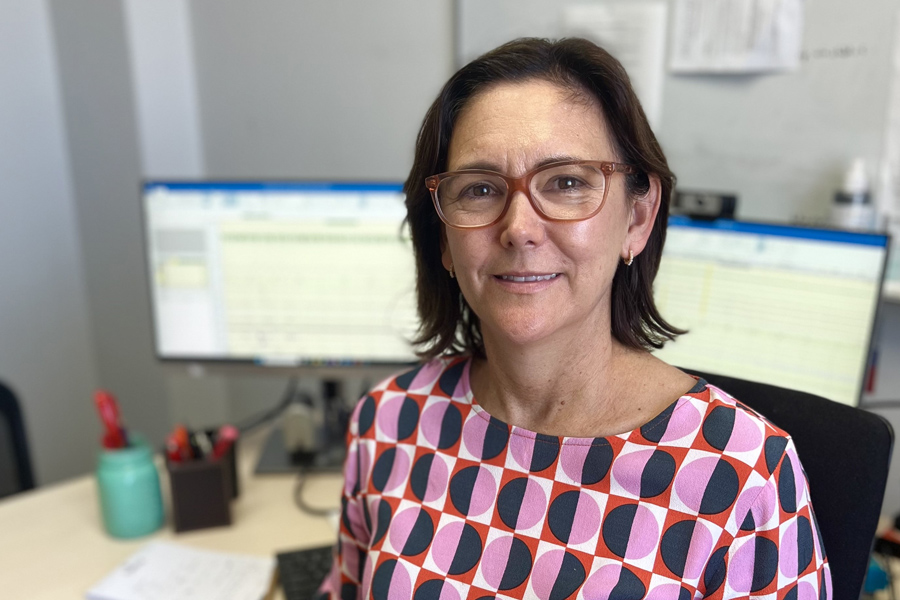
Dr Deanne Curtin, Director at the TPCH Sleep Disorders Centre discusses how chronotypes might have your sleep off schedule.
“We know that many adults aren’t getting enough sleep, but many aren’t getting good quality sleep either. The amount of time a person spends in bed, doesn’t necessarily reflect how much actual sleep they are getting,” she said.
“Many people brush off lack of sleep as a minor issue, however short-term sleep deprivation can be dangerous.
“Short term sleep deprivation can impair concentration and mental focus which increases the risk of car and workplace accidents.
“It can also affect our ability to fight off sickness, regulate our mood and stress and maintain a good body weight.
“People who are routinely not getting adequate sleep are more likely to develop chronic health issues such as diabetes, heart disease, high blood pressure and cognitive conditions like dementia.”
Dr Curtin recommends some simple measures for improved sleep:
- Go to bed and wake up at roughly the same time every night
- Avoid napping during the day
- Avoid caffeine for at least 6 hours and alcohol for 3 hours before sleep
- Allocate time in the early evening to plan and think about the day ahead
- Remove all screens (phones, TV, laptop, i-pad, tablets) 45 minutes before bed
- Avoid taking medication as a long-term solution to sleep problems
- Find natural ways to calm your mind – calming apps, music, peaceful sounds
“People who regularly struggle with sleep should consider consulting a health professional to determine if their sleep issue is an indication of a more serious underlying health issue,” Dr Curtain said.