
A message from the RBWH Foundation
Giving strength to research and patient care
Message from the RBWH Foundation
At the RBWH Foundation, we see strength every day. Each donation, every partnership and all the acts of kindness fuel the collective strength that extends capabilities and research efforts of you, clinicians and health professionals, across RBWH, STARS and our partnering Herston Health Precinct institutes and centres.
- It’s what allows passionate clinicians to move from challenges to discoveries with confidence and clarity.
- It’s in the new programs that make healthcare more human.
- It’s in the research that uncovers novel evidence-based treatments.
Strength is what defines the RBWH Foundation community: people standing together, advancing care – through you – for all Queenslanders.
At the cornerstone of this work is the RBWH Foundation’s grants program: empowering clinicians, researchers and healthcare teams to deliver transformative patient care and advance life-saving medical research.
Central to the program is recognition that one in five of the 600,000+ patients cared for across Herston lives far from Metropolitan Brisbane. These realities, and more, mean that access to healthcare isn’t equal.
At the RBWH Foundation, we are committed to supporting innovation that addresses health equity –overcoming barriers to care and building a system that delivers, regardless of location, age, gender, economic capacity or cultural identity.
Highlights of 2025
$87.8 million distributed in the 40 years since inception
$3.9 million distributed
Research grants $1,899,449
Patient care initiatives $822,609
Youth injury prevention $660,312
Wellbeing for hospital staff $130,000
The RBWH Foundation’s twice-yearly grants enable you, our health innovators and early career researchers, to respond quickly – launching programs, testing new models of care and purchasing advanced equipment. These grants offer a unique opportunity to gather data and results that can lead to larger, even multimillion dollar nationally funded, clinical trials.
World-first breast scaffold surgeon Professor Owen Ung co-designed the strategy when he joined the RBWH Foundation Board in 2009 as a voluntary member.
“The Foundation [in 2009] didn’t yet have a lot of disposable income, but by encouraging early career researchers to apply for those smaller grants, we gave them a stepping stone – the building blocks they needed – to gain the experience and attract the funding needed for larger trials.”
Today, that vision has come full circle. Partnering with Herston Biofabrication Institute, which was launched six years ago with a $5 million Foundation contribution, Professor Ung has embarked on groundbreaking clinic trials for next generation breast reconstruction.
In FY25, the RBWH Foundation funded the following research grants:
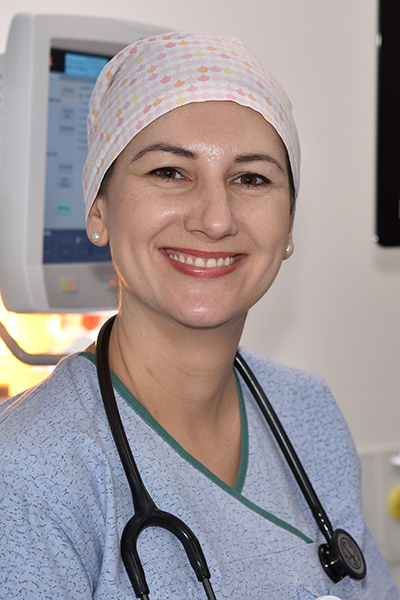
Dr Angela Tognolini, Senior Specialist Anaesthetist, RBWH
Reducing the risk of anaesthesia for patients in larger bodies
Recipient: Dr Angela Tognolini, Senior Specialist Anaesthetist, RBWH
Why it matters
Patients with obesity face higher risks during surgery, yet current approaches to pain relief may be less effective due to inconsistent dosing of commonly used medications like lidocaine. This study aims to optimise dosing to improve pain control, enhance recovery and deliver safer, more effective care for people in larger bodies.
Summary
The field of anaesthetics is both an art and science, delicately balancing intimate knowledge of human biology with drugs and medication. Complications are rare but risks are ever present for all cohorts of patients.
RBWH Staff Specialist Anaesthetist Dr Angela Tognolini is an emerging researcher with a focus on patients with larger bodies. Her work, supported by a 2025 RBWH Foundation project grant, could one day change international practice in the safe and effective delivery of intraoperative lidocaine infusions.
“However, there is a lack of data and guidance on the dosing, particularly in patients with obesity,” said Dr Tognolini.
Inconsistencies in dosing regimens risk either underdosing with inadequate clinical effect, or overdosing and toxicity. Other complications include respiratory issues and nausea and vomiting after surgery.
If safe and effective, the proposed regimen would be evaluated in a future randomised controlled trial, revolutionising dosing practice not only at RBWH but potentially in many other national and international institutions.
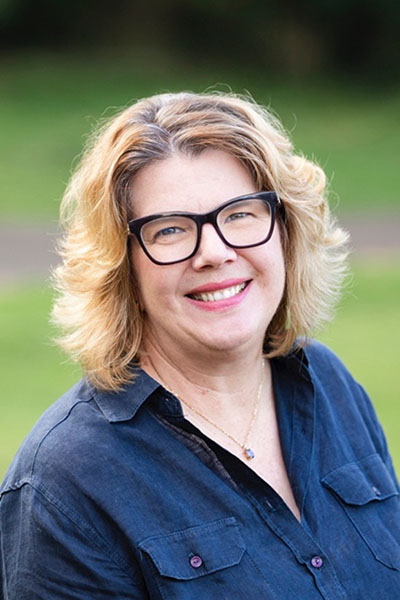
Dr Andrea Taylor, Nurse Manager Researcher, RBWH
Optimising nurse-led perioperative care for older adults in Australia (OPal)
Recipient: Dr Andrea Taylor, Nurse Manager Researcher, RBWH
Why it matters
Older adults undergoing surgery often have complex healthcare needs that require specialised care. This project will evaluate the role of a dedicated Advanced Practice Nurse to specifically respond to the needs of older patients. The project brings together older patients and clinicians to hear and understand their hospital experiences and identify areas of improvement that will support genuine informed and integrated care for our older patients.
Summary
Australians are not only living longer but those aged 65 and older also account for an increasing share of the population. For health services that means adapting to the complex challenges of frailty and deteriorating health.
RBWH Surgical and Perioperative Services has become one of the first in Australia to design a new nurse-led model of care for frail older people. The goal is to reduce their increased risk of postoperative complications, prolonged hospital stays and functional decline, which significantly impact recovery and quality of life.Project lead and Nurse Manager Researcher Dr Andrea Taylor said RBWH Foundation funding has ensured the voice of older people is central to project outcomes.
“Over and over again, you’ll hear that communication is lacking in our health system, particularly from this population group,” said Andrea.
“Foundation funding will ensure we make the invisible, visible.”
Her new surgical model, due to be trialled in early 2026, will see an Advanced Practice Nurse (APN) work with patients, families and clinicians ahead of surgery, identifying risk factors such as cognitive impairment and multimorbidity. Discharge planning will ensure patients transition smoothly to rehabilitation.