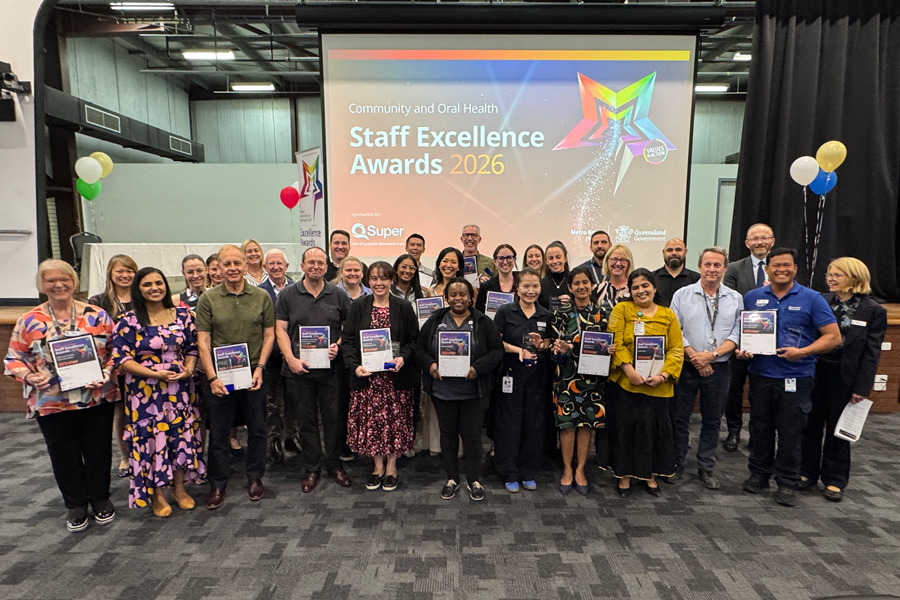
Showcase highlights talented oral and community health stars
A total of 24 teams and individuals were acknowledged for their outstanding contribution to community and oral health care at a recent awards ceremony held at Brighton Health Campus.
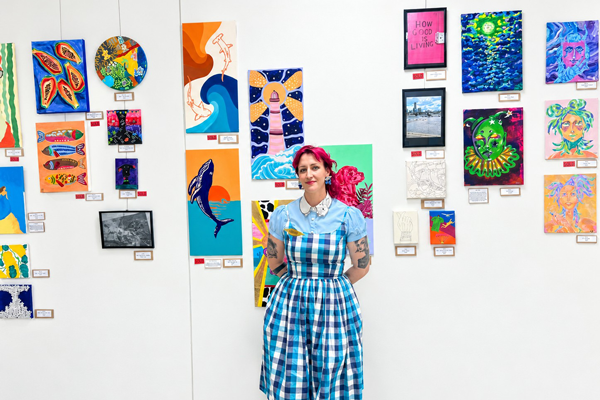
RBWH Exhibition highlights the power of creativity in mental health recovery
Almost 240 artworks are on display at Royal Brisbane and Women's Hospital (RBWH) as the Windows to our World (WoW) exhibition celebrates its 23rd year.
Our stories
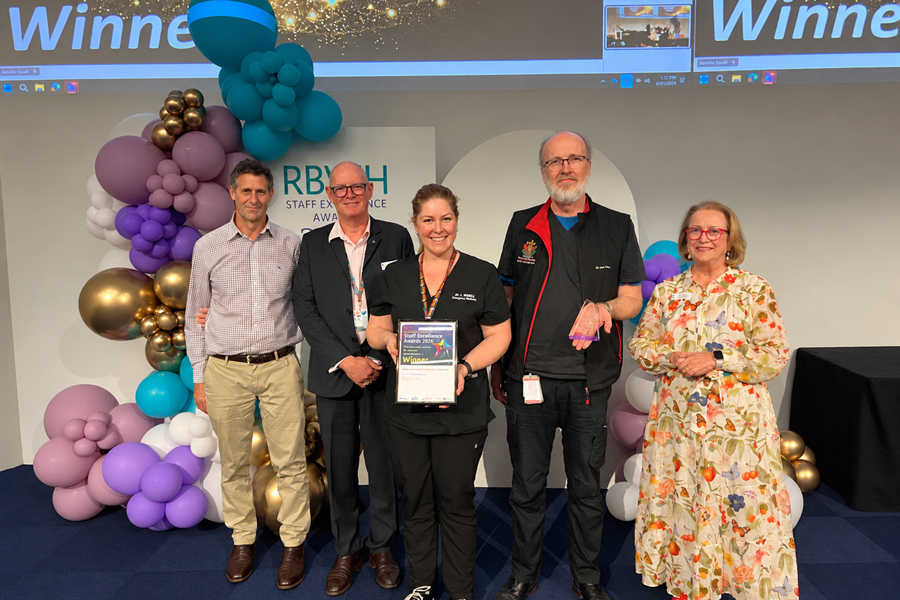
RBWH celebrates healthcare excellence at annual awards
Staff from across Royal Brisbane and Women’s Hospital recently came together to celebrate outstanding achievements and recognise excellence in patient care, innovation and teamwork at the 2026 Staff Excellence Awards.
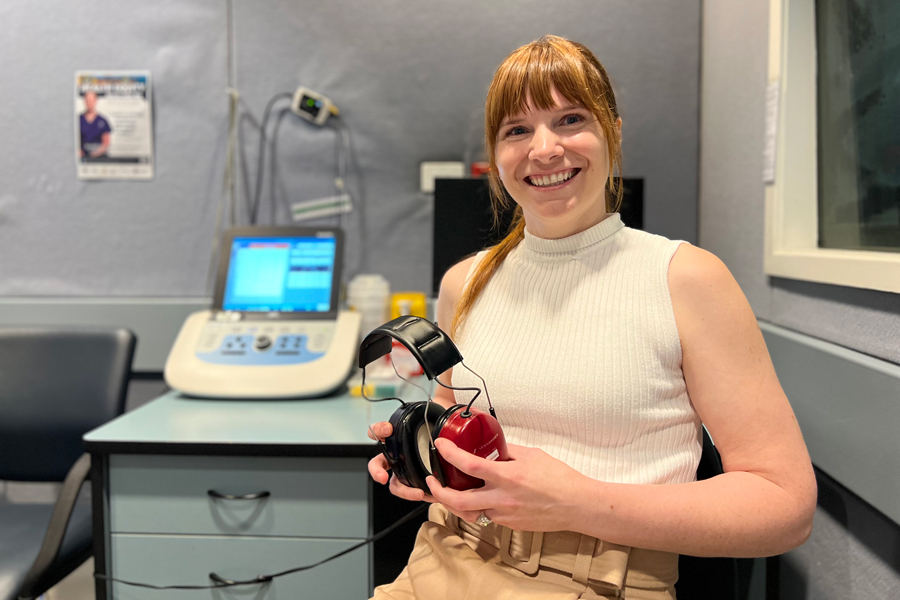
RBWH audiologist raises awareness of little-known medical emergency
Imagine waking up to find you have lost, or significantly reduced, hearing in one or both ears. For people experiencing Sudden Sensorineural Hearing Loss, this can be a frightening reality.
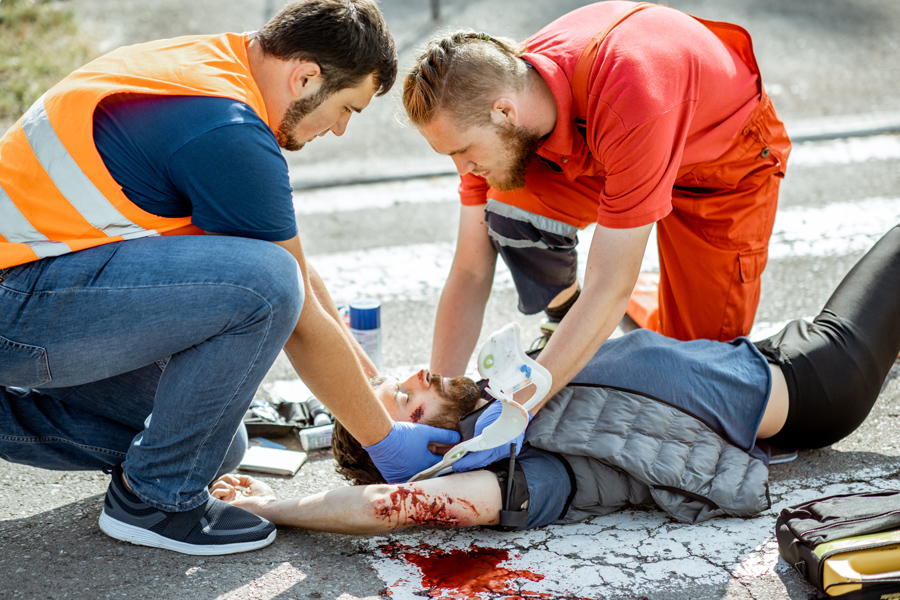
Stop The Bleed training equipping everyday Queenslanders with lifesaving skills
Metro North Health’s Jamison Trauma Institute is equipping everyday Queenslanders with the skills to stop life-threatening uncontrolled bleeding.
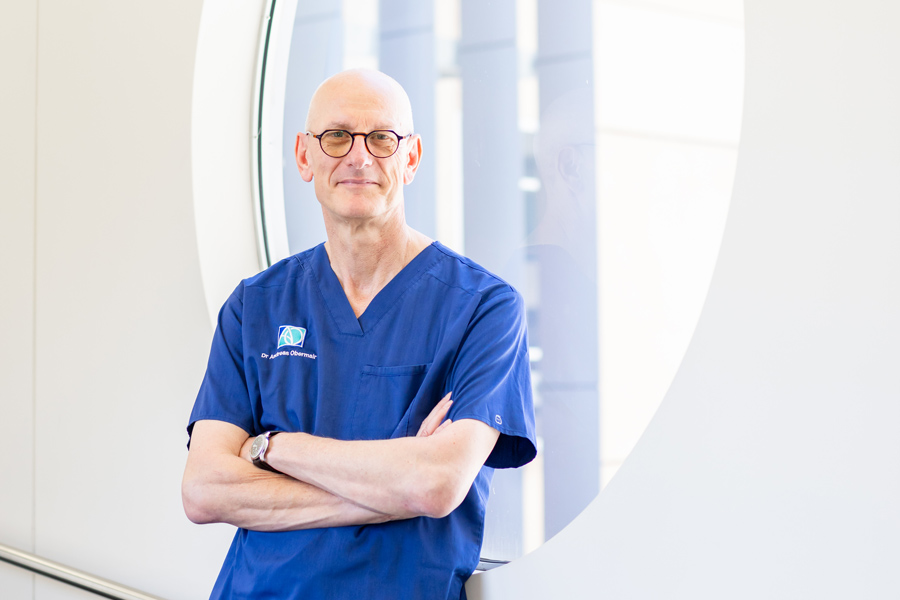
A blood test could soon detect cervical cancer as RBWH and UQ launch CLARITY study
RBWH specialist and UQ chief investigator Professor Andreas Obermair is leading the CLARITY study, which will look at whether cervical cancer may be detected through a simple blood test.
Showcase highlights talented oral and community health stars
A total of 24 teams and individuals were acknowledged for their outstanding contribution to community and oral health care at a recent awards ceremony held at Brighton Health Campus.
Patient stories
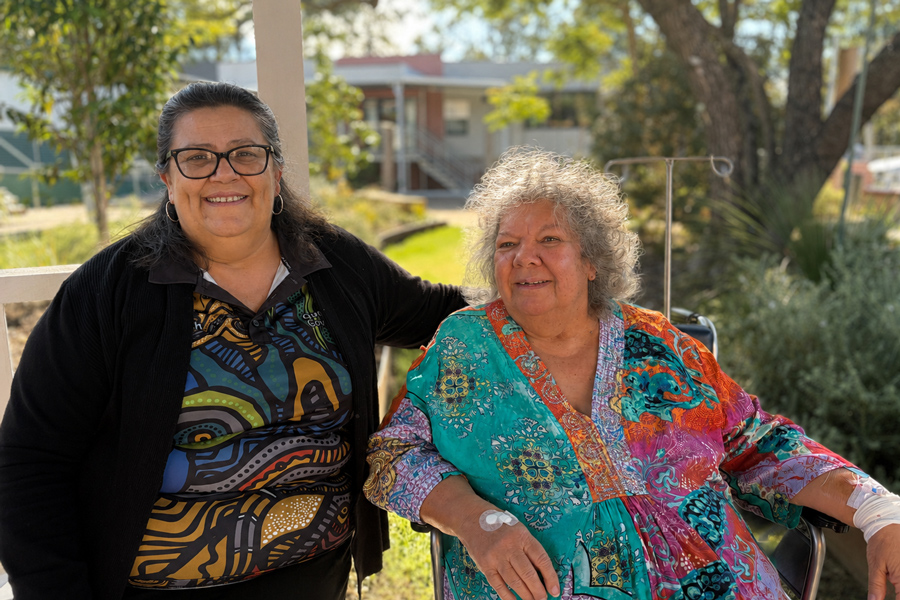
Heart health scare leads to life-changing care for Aunty Lorian
What began as a sudden dizzy spell at home in Barcaldine became a life-changing health journey for Aunty Lorian, with coordinated care across Queensland.
Clinical trial giving John more time
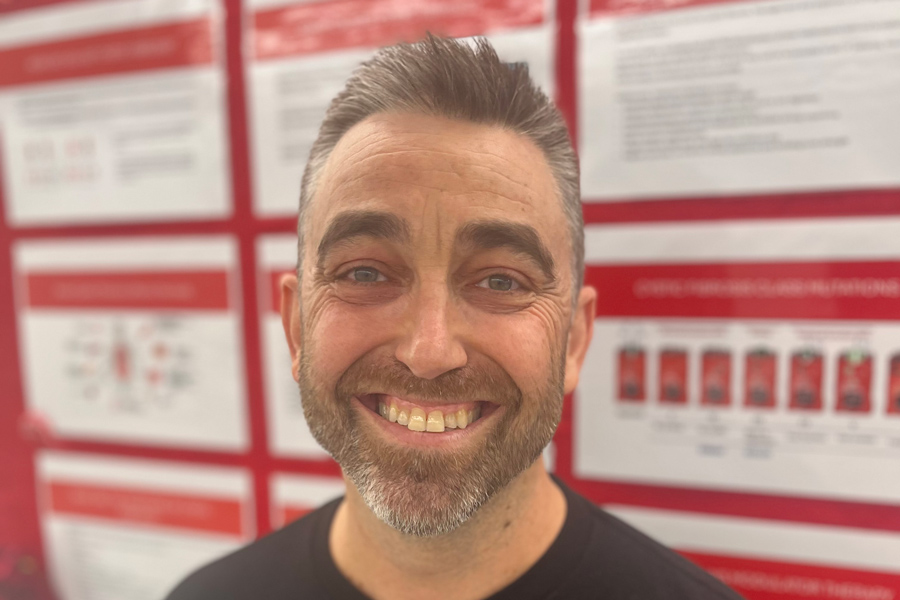
A clinical trial is giving John something he hasn’t had much of throughout his life as a person with cystic fibrosis - time.
RBWH brings cardiac service to the heart of Queensland
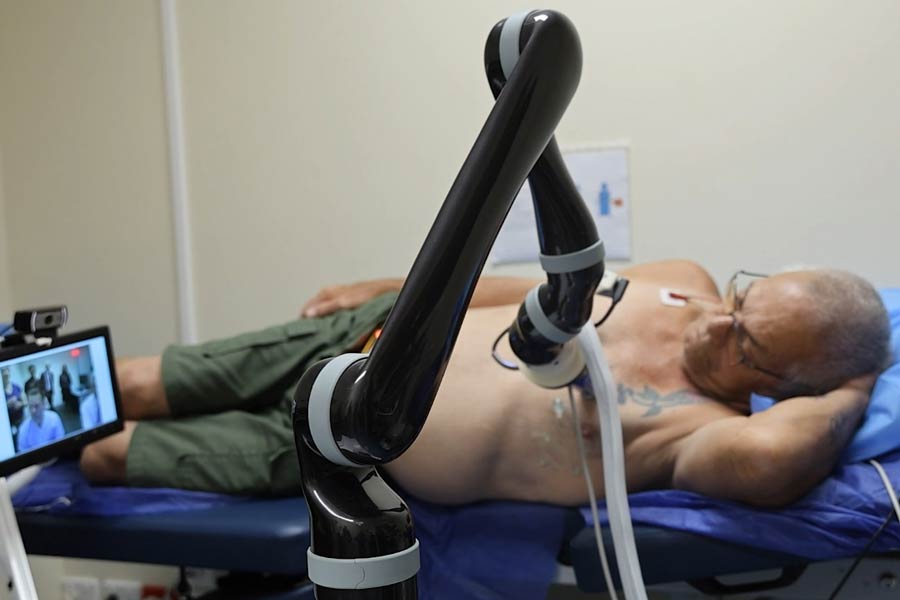
Queenslanders living in remote and rural areas can now access specialist cardiac imaging closer to home, thanks to a pioneering tele-echocardiography service led by the Royal Brisbane and Women’s Hospital.
Caboolture’s Midwife Navigator supports more than 1,200 vulnerable women through pregnancy
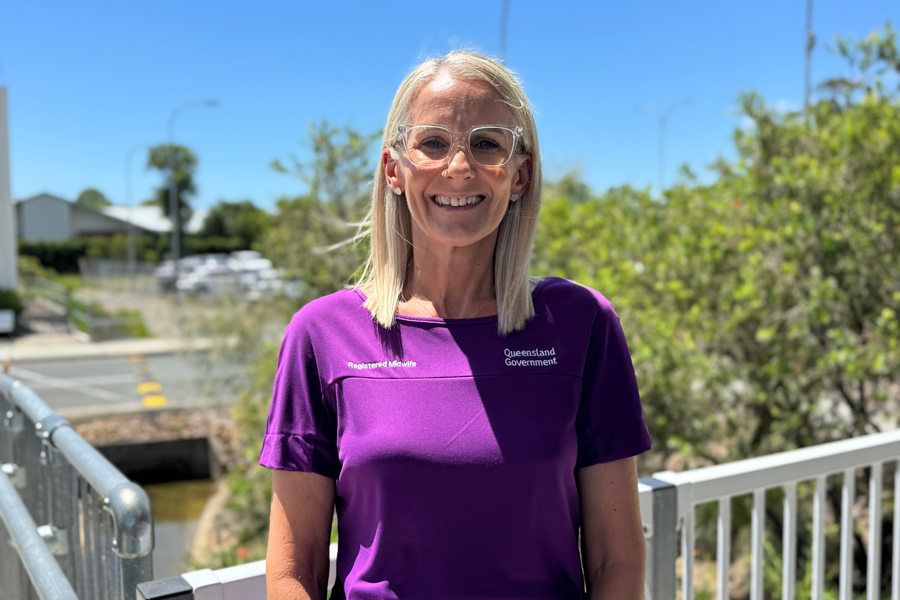
Unique Midwife Navigator plays vital role in supporting socially and medically vulnerable pregnant women at Caboolture Hospital.
Staff profiles
Caboolture Hospital physiotherapist awarded for menopause research
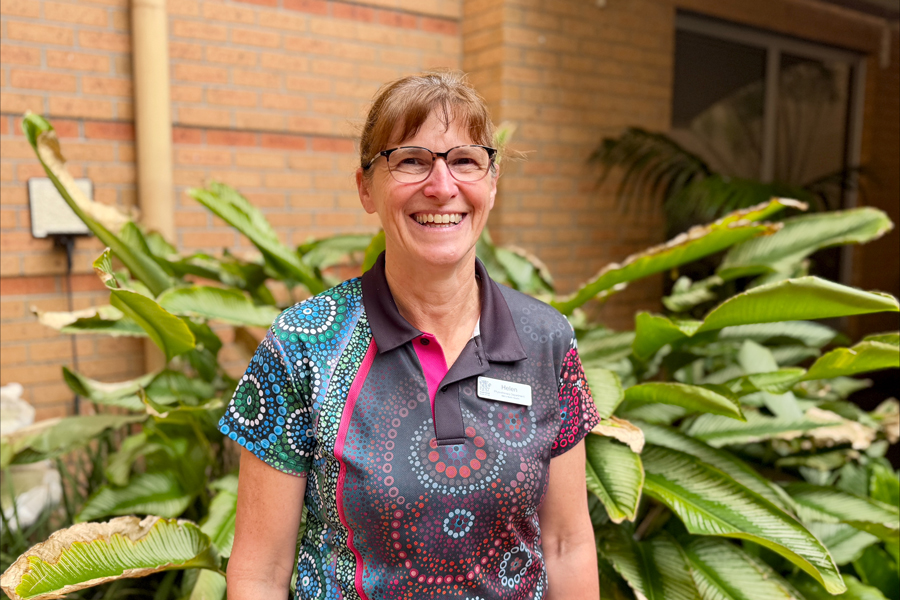
Caboolture Hospital physiotherapist Helen Edwards was awarded for her research exploring experience of menopause for staff working in healthcare.
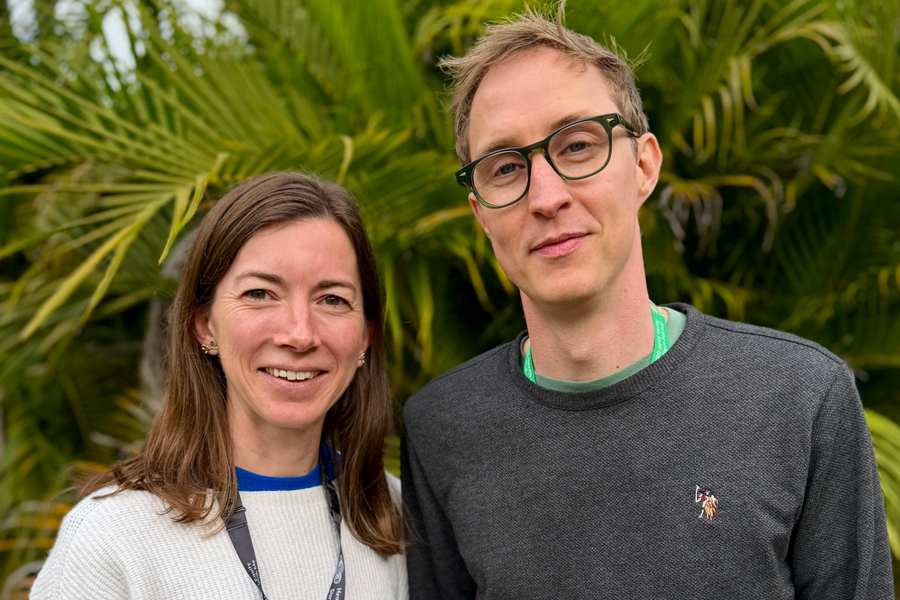
From Belgium to Brisbane
For Belgian doctors Catherine and Hendrik-Jan, Brisbane is the opportunity of a lifetime.
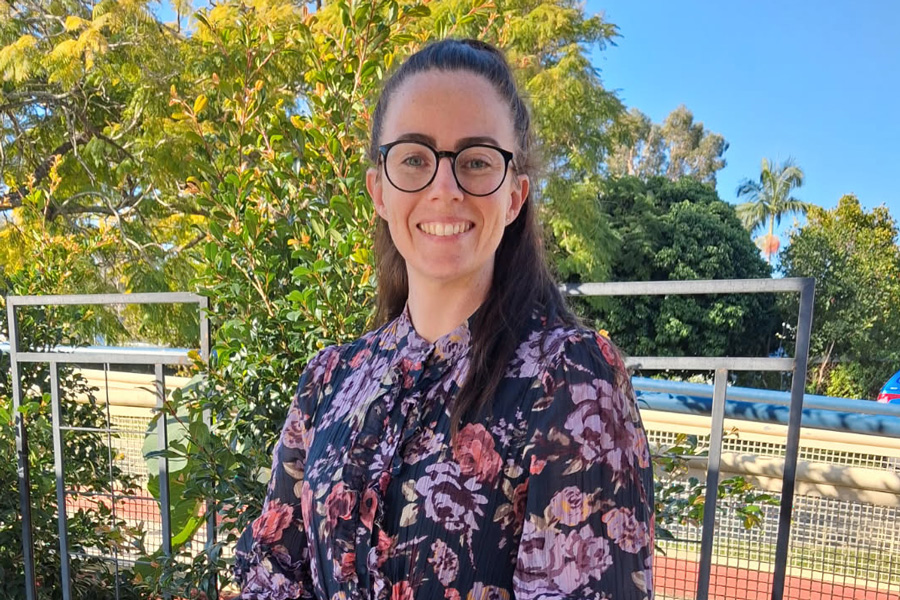
Holistic grounding brings better patient navigation
Nurse navigator Jess draws on years of nursing experience to help patients get the support they need.
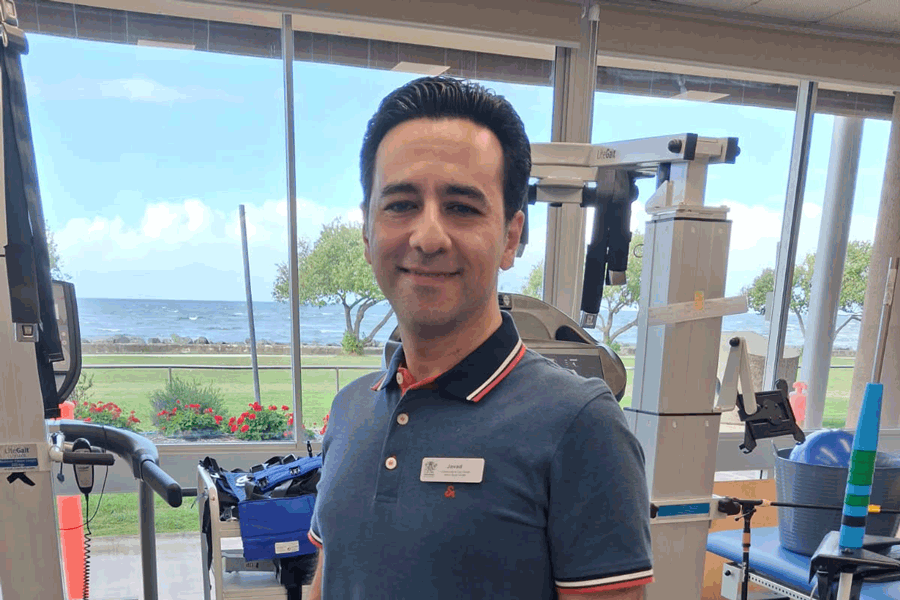
Javad follows a natural pathway to becoming a physiotherapist
Javad spent 14 years as an orthotist working alongside physiotherapists. That led the physiotherapy graduate to a career change.