
Metro North Health leads study on cognitive impairment in hospitals
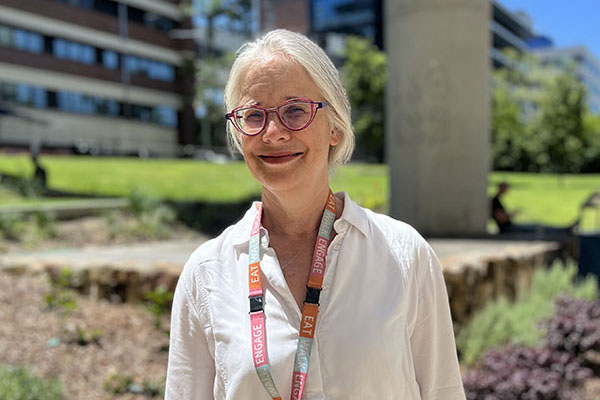
Professor Alison Mudge
Professor Alison Mudge and her team at the Royal Brisbane and Women’s Hospital (RBWH) are leading research and action to improve hospital care for those with cognitive impairment.
Almost half of adult inpatients are living with some form of cognitive impairment, prompting hospitals to rethink how they staff and support wards caring for vulnerable patients.
“In late 2025, dementia became the leading cause of death in Australia among men and women, and dementia prevalence is predicted to double by 2050,” Professor Mudge said.
“This makes research into dementia, delirium and other forms of cognitive impairment even more important.
“Our research showed that 42 per cent of adult inpatients within Metro North Health hospitals had screening indicating some form of cognitive impairment, with dementia and delirium most common.”
As the population ages and patients’ needs become more complex, hospitals need to prepare for the increasing number of people with cognitive impairments.
“While the statistics are sobering, they translate to the real world as additional care needs in hospitals, with impacts on patients and staff,” Professor Mudge said.
“These needs present as more people requiring help with fundamental care such as washing, mobility and dressing, as well as adapting our communication and involving families more.”
Professor Mudge encourages hospitals to adapt to better meet the needs of these patients.
“There are huge opportunities to improve staff training, create better models of care, and design environments that reduce confusion and distress among patients experiencing cognitive impairment,” she said.
As well as leading research into the prevalence of cognitive impairment, Professor Mudge and her team at RBWH are pioneering interventions, including the internationally recognised Eat Walk Engage program.
“Eat Walk Engage is all about keeping patients moving, nourished and connected to the people and activities that matter most to them, which are identified as key factors in preventing delirium while in hospital,” Professor Mudge said.
“We are proud that Eat Walk Engage has grown from a single ward at RBWH in 2015 to now benefiting patients in 53 wards across 18 hospitals in Queensland, with plans to grow further.”
Professor Mudge is continuing her research into cognitive impairment as part of the James Lind Alliance’s Delirium Priority Setting Partnership (PSP), which brings patients, carers and clinicians together for the first time to identify and prioritise unanswered questions about delirium.
“Funded through the generous support of the RBWH Study, Education and Research Trust Account, this PSP aims to identify remaining uncertainties about delirium and reach a consensus with patients and carers about priority areas for research,” she said.
“The results of that research will then be presented for consideration by major funding bodies like NHMRC to help prevent and manage cognitive impairment among hospital patients.”