Newsroom2026-05-11T15:58:58+10:00

Newsroom

Our stories

Staff profiles

Media releases

Media information

Patient stories

Patient stories

Staff profiles

Audio and podcasts

Never Again Podcast

Never Again Podcast

Created in collaboration with the Coroners Court of Queensland, the Never Again Podcast explores learnings from real healthcare investigations.

Media releases

Social media news

/ MetroNorthHHS
Comments Box SVG iconsUsed for the like, share, comment, and reaction icons

Facebook

24 hours ago

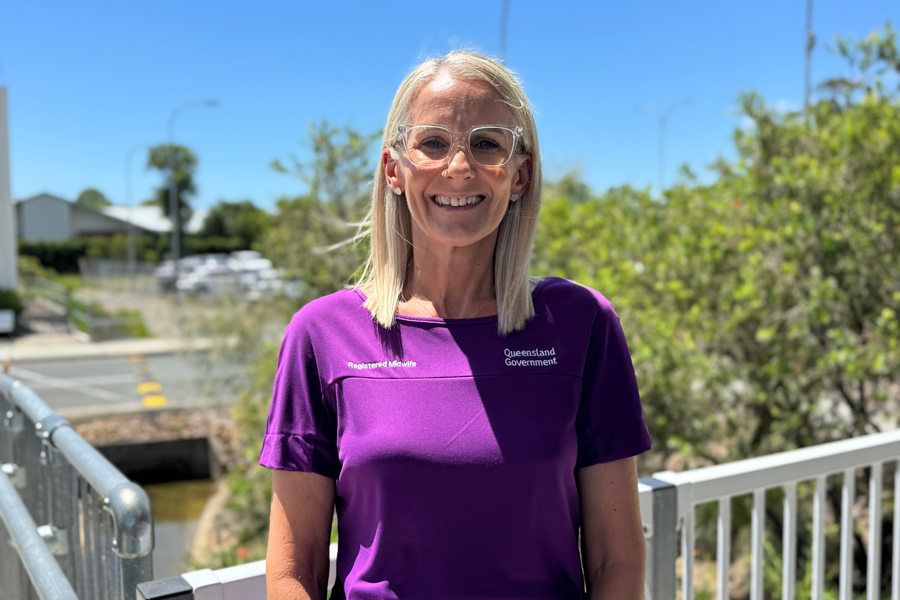
Approximately 16,000 people in Australia are on dialysis, a life-saving treatment that works on behalf of the kidneys when they have failed. 🩸

Registered Nurse at the North Lakes Health Precinct Marvin explains how the process works for those on dialysis.

"There is a long tube on the machine which acts as the artificial kidney and then there is a section in the machine that is pumping their blood which acts as a heart, the machine mimics what is going on inside the body," he said.

"When blood comes out of the body, it goes to the artificial kidney and that's where the dialysis takes place. The machine has fluid in it that is mixed in, and when the blood makes contact with the fluid, it acts like a magnet. The toxins are drained out and the blood is cleaned."

For some patients, they may be able to get dialysis at home rather than coming to our hospital facilities.

"For home treatment, they need to be at least stable on dialysis, and compliant with the program. Then they will go on training and then they will be assessed, once they are good to go, we will arrange a visit to their home, see if there is a place it can be set up, and get engineering involved for installation," Marvin said.
... See MoreSee Less

Approximately 16,000 people in Australia are on dialysis, a life-saving treatment that works on behalf of the kidneys when they have failed. 🩸

Registered Nurse at the North Lakes Health Precinct Marvin explains how the process works for those on dialysis. 

There is a long tube on the machine which acts as the artificial kidney and then there is a section in the machine that is pumping their blood which acts as a heart, the machine mimics what is going on inside the body, he said.

When blood comes out of the body, it goes to the artificial kidney and thats where the dialysis takes place. The machine has fluid in it that is mixed in, and when the blood makes contact with the fluid, it acts like a magnet. The toxins are drained out and the blood is cleaned.

For some patients, they may be able to get dialysis at home rather than coming to our hospital facilities.

For home treatment, they need to be at least stable on dialysis, and compliant with the program. Then they will go on training and then they will be assessed, once they are good to go, we will arrange a visit to their home, see if there is a place it can be set up, and get engineering involved for installation, Marvin said.
Load more
/ metronorthhealth
Approximately 16,000 people in Australia are on dialysis, a life-saving treatment that works on behalf of the kidneys when they have failed. 🩸

Registered Nurse at the North Lakes Health Precinct Marvin explains how the process works for those on dialysis. 

"There is a long tube on the machine which acts as the artificial kidney and then there is a section in the machine that is pumping their blood which acts as a heart, the machine mimics what is going on inside the body," he said.

"When blood comes out of the body, it goes to the artificial kidney and that's where the dialysis takes place. The machine has fluid in it that is mixed in, and when the blood makes contact with the fluid, it acts like a magnet. The toxins are drained out and the blood is cleaned."

For some patients, they may be able to get dialysis at home rather than coming to our hospital facilities.

"For home treatment, they need to be at least stable on dialysis, and compliant with the program. Then they will go on training and then they will be assessed, once they are good to go, we will arrange a visit to their home, see if there is a place it can be set up, and get engineering involved for installation," Marvin said.

...

16 0
Staff Specialist Dr Gary lives a double a life working in both the RBWH Emergency and Trauma Centre and as the Australian Wallabies team doctor!
 
After moving from Northern Ireland to play rugby and work as a junior doctor in 2011, Gary has found his niche working across two roles that combine his passions.
 
"My interest is in concussion and traumatic brain injury research. I have been able to combine my roles with the Jamieson Trauma Institute, RBWH ETC and Rugby Australia to research concussions and ways to make the game safer and also manage patients who present to our emergency departments," he said.

“It is always hard to balance both ETC and rugby schedules and I often go straight back to work the day after games, but I have a lot of support from both organisations to make it work.
 
"A career highlight was the British and Irish Lions tour last season and I'm looking forward to the home Rugby World Cup next year, where many of my RBWH colleagues will also be supporting me on the matchday medical teams."
 
👏#ShoutoutSaturday to Dr. Gary, and best of luck to the Wallabies who are playing at Suncorp Stadium tonight!

...

94 0
Four tonnes of paper a day - that's how many records were being moved around the RBWH before the shift to more advanced digital technologies in 2014!📄🗃️

The adoption of the full integrated electronic Medical Record (ieMR) digital patient record system is RBWH’s next step into the digital age, with nearly 3000 paper forms currently in-use at the hospital that will no longer be required from October this year.
 
This doesn’t mean the work of the Medical Records team becomes any less crucial, with approximately 1300 forms that cannot be replicated or replaced by a computer system – such as patient-completed consent or cognitive assessment forms, as well as those featuring hand-completed diagrams – still requiring careful management and safe-keeping. 🫶

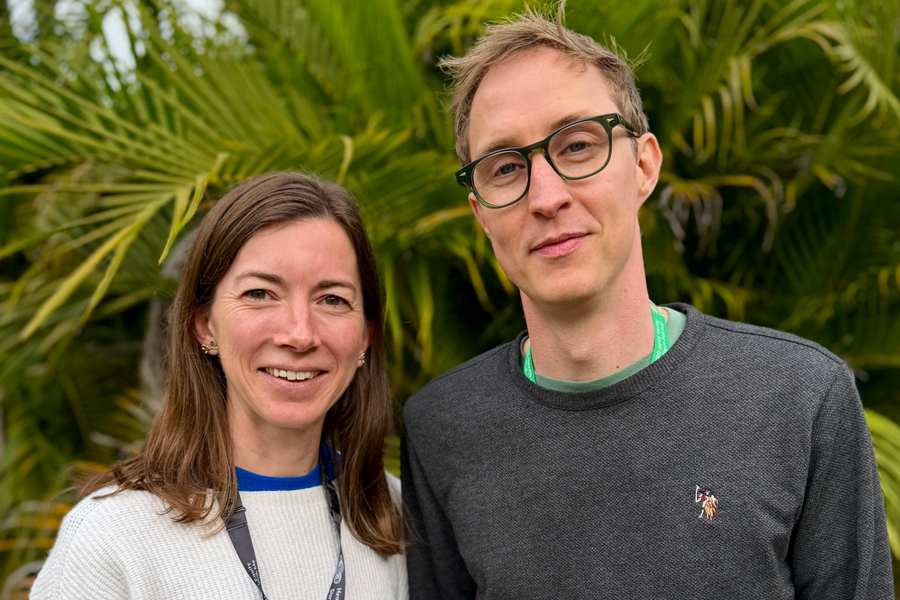
Medical Records Administrator Jarryd, pictured with his colleague John, says that the Medical Records team plays an integral yet underrated part in the patient journey. 

"We process any physical clinical document through a process of scanning and rigorous quality checks and add them to a patient file. From there, medical practitioners can access this information for their patients in our online software," Jarryd said.

"We are currently a 24-hour unit, and the patient journey doesn’t cease at discharge. Accurate record keeping helps clinicians to make informed decisions on the future treatment of the patient."

...

23 0
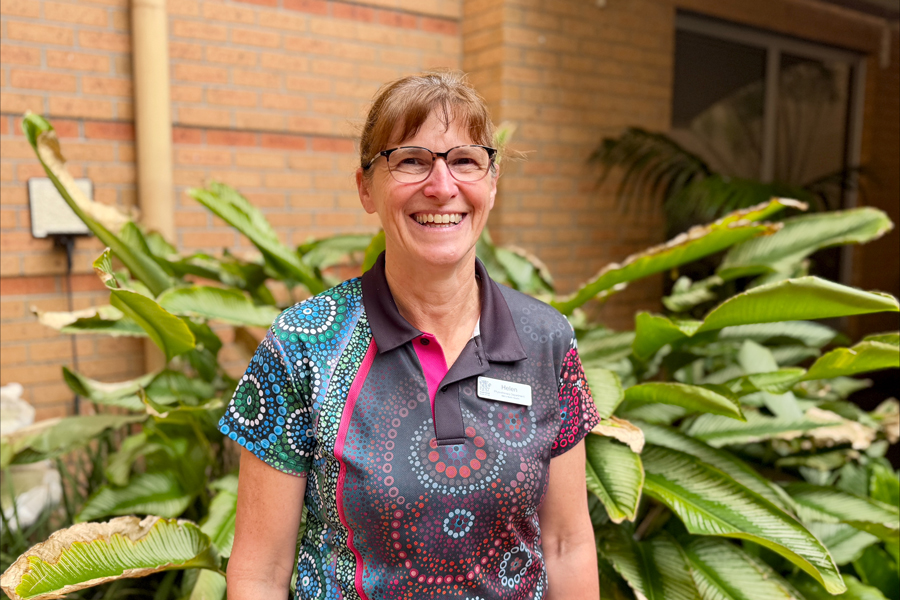
Before attending a health science camp in high school, Dr Ella had never considered perusing a career in medicine! But this camp changed her life and set her on the path of becoming an Anaesthetic Registrar at the RBWH. 🫶

As a proud Yirrganydji and Wulgurukaba woman, her goal has always been to be an Aboriginal doctor for Aboriginal people, as well as a role model for young people considering a career in health and medicine. 

"Visibility and role models are incredibly important especially to our mob. Our people are the oldest living culture in the world and are therefore the oldest practicing healers in the world and I want people to know that there are Indigenous doctors around and that some of us, like myself, are working here at RBWH," Dr Ella said. 

"Having worked in regional and rural areas previously, I know firsthand the geographical discrimination that exists within our healthcare system. Once I specialise in anaesthetics I want to travel to regional and rural areas to offer my skillset to those communities, and close gaps in health inequities.

"If you really want to become a doctor, there will be pathways and support available to you to help you achieve this." 🩺

...

130 0